In today’s fast-paced urban environments, traffic engineers face increasingly complex challenges that demand more than just technical know-how. Navigating conflicts among stakeholders—from city planners to contractors—requires sharp negotiation skills to keep projects moving smoothly.
With rising infrastructure demands and tighter deadlines, mastering these tactics isn’t just helpful; it’s essential. Drawing from real-world scenarios, this post will explore practical negotiation strategies tailored for traffic engineering professionals aiming to resolve disputes efficiently.
Whether you’re managing community concerns or coordinating with multiple agencies, these insights will help you turn potential roadblocks into collaborative solutions.
Stick around to uncover how effective negotiation can transform your projects and professional relationships.
Building Trust Through Transparent Communication
Establishing Open Channels Early On
One of the most effective ways to ease tensions in traffic engineering projects is by creating open communication lines from the start. In my experience, setting up regular check-ins with stakeholders—whether city officials, contractors, or community representatives—lays a foundation of trust that pays off when challenges arise.
Rather than waiting for problems to escalate, these early dialogues allow everyone to voice concerns, share updates, and align expectations. It’s not just about passing information but fostering a culture where feedback is welcomed and acted upon promptly.
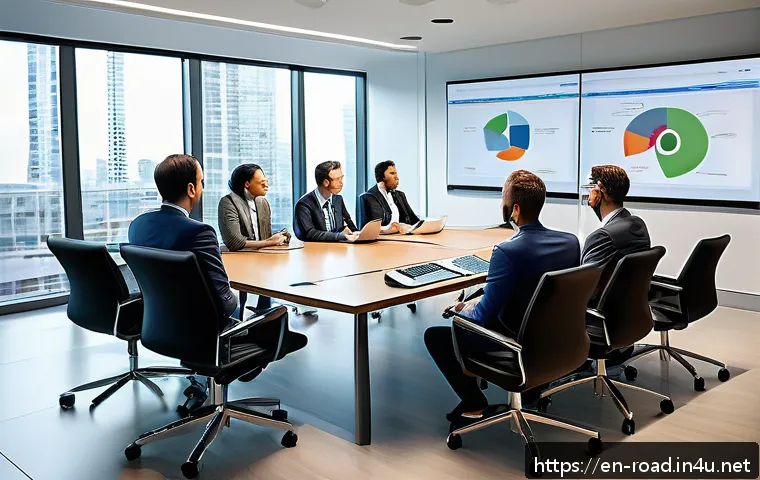
For example, in a recent project involving multiple agencies, weekly video calls helped uncover potential conflicts before they became roadblocks, making negotiations smoother and more productive.
Being Honest About Limitations and Constraints
Nobody appreciates surprises that could have been avoided, especially when deadlines and budgets are tight. I’ve learned that admitting upfront what can’t be changed or expedited—like regulatory restrictions or supply chain delays—earns respect and prevents unrealistic demands.
When stakeholders understand the boundaries, they’re more likely to focus on creative solutions rather than assigning blame. This kind of honesty also sets a positive tone for negotiation, because it signals you’re not hiding anything and are committed to finding workable compromises.
It’s a subtle but powerful trust-builder that can turn a tense meeting into a collaborative session.
Listening Actively to Stakeholder Concerns
Negotiation isn’t just about talking; it’s about truly listening. I’ve found that when you demonstrate genuine interest in the concerns raised by others—be it residents worried about noise or contractors flagging safety issues—it changes the dynamic entirely.
Active listening means paraphrasing what you’ve heard, asking clarifying questions, and acknowledging emotions involved. This approach shows respect and often reveals underlying issues that might otherwise be overlooked.
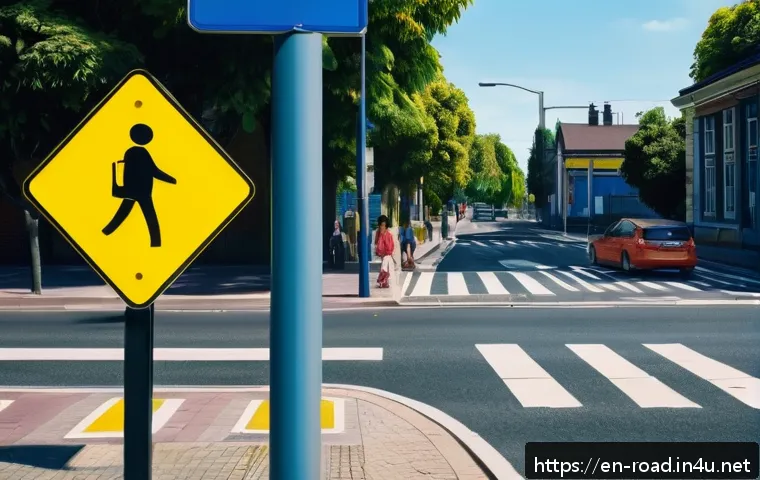
For instance, during a contentious sidewalk expansion project, simply validating the community’s worries about pedestrian safety helped shift their stance from opposition to partnership.
Crafting Win-Win Solutions That Balance Interests
Identifying Common Goals to Bridge Differences
In the thick of a negotiation, it’s easy to get stuck on conflicting demands. What’s helped me break through those walls is zooming out to highlight shared objectives.
Traffic engineers, city planners, and contractors all want a successful project that improves safety and mobility. By emphasizing these mutual goals early, I’ve seen parties become more flexible and creative in their proposals.
For example, instead of arguing over timeline specifics, we focused on the end-user benefits, which opened the door to alternative scheduling that satisfied everyone.
This mindset shift transforms negotiations from zero-sum battles into problem-solving collaborations.
Proposing Multiple Options to Encourage Flexibility
Rather than locking into a single solution, I try to present a few alternatives that accommodate different priorities. This tactic encourages stakeholders to weigh trade-offs and feel more in control of the outcome.
For instance, offering options that vary in cost, time, or scope can reveal unexpected compromises that satisfy most parties. When I used this approach during a highway redesign, it not only sped up consensus but also uncovered a hybrid plan that was more innovative and cost-effective than the original.
Flexibility in negotiation is a game-changer because it acknowledges that no one has all the answers upfront.
Using Data and Visuals to Support Proposals
Numbers and visuals are persuasive tools that can defuse emotional disputes. I always bring traffic flow models, crash statistics, or 3D renderings to meetings to back up my points.
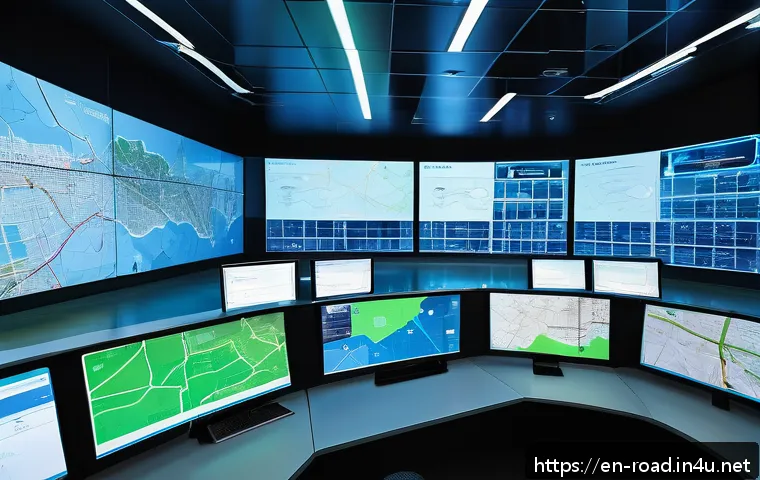
Seeing concrete evidence helps stakeholders move past opinions and focus on facts. In one project, detailed simulations demonstrated how a proposed signal timing change would reduce congestion, which convinced skeptical business owners to support the plan.
Incorporating clear visuals makes complex information accessible and builds confidence in the proposed solutions, smoothing the path to agreement.
Managing Conflicts Without Burning Bridges
Staying Calm and Professional Under Pressure
Traffic projects often involve high stakes and strong emotions. I’ve noticed that maintaining composure during heated discussions makes a huge difference.
When tempers flare, pausing to take a breath or suggesting a short break can prevent escalation. This calm demeanor not only helps me think more clearly but also models the behavior I want from others.
People respond better when they feel heard and not attacked, so staying professional—even when disagreements get intense—is crucial for keeping negotiations productive and relationships intact.
Focusing on Issues, Not Personalities
It’s easy to let personality clashes derail progress, but I try to keep the spotlight on the problem rather than the people involved. Redirecting conversations to objective criteria or project goals helps depersonalize conflicts.
For example, instead of debating a contractor’s motives, I steer the dialogue toward specific contract terms or design standards. This approach reduces defensiveness and encourages collaborative problem-solving.
By separating the person from the issue, negotiations stay constructive, and trust is preserved.
Knowing When to Escalate and When to Compromise
Deciding when to push a point and when to yield is an art I’ve honed over years on the job. Sometimes holding firm is necessary to protect safety or legal compliance.
Other times, bending on less critical aspects can build goodwill and accelerate progress. I weigh factors like project impact, stakeholder priorities, and potential fallout before making these calls.
Knowing when to escalate issues to higher authorities or when to accept a concession often determines whether a project stays on track or stalls. This balance takes experience but pays dividends in smoother negotiations.
Leveraging Collaborative Technologies to Streamline Negotiations
Using Project Management Platforms for Transparency
Modern traffic engineering projects benefit enormously from collaborative software that tracks progress and communications. In my recent work, tools like Procore or Smartsheet have enabled all parties to access up-to-date documents, schedules, and meeting notes in real-time.
This transparency reduces misunderstandings and creates a shared knowledge base. When everyone sees the same information, it’s easier to address concerns quickly and negotiate changes with full context.

Technology, when used well, acts as a neutral referee that supports trust and efficiency.
Virtual Meetings to Bridge Geographical Gaps
Especially with multi-agency projects spanning large areas, virtual meetings have become indispensable. They allow busy stakeholders to convene without travel, speeding up decision-making.
I’ve found that preparing clear agendas and using screen-sharing to review plans keeps these sessions focused and productive. While in-person meetings have their place, virtual collaboration is a powerful negotiation aid that keeps momentum going even under tight timelines or unexpected disruptions.
Data Sharing and Real-Time Feedback Tools
Sharing traffic data, sensor readings, and modeling outputs instantly with stakeholders promotes transparency and informed discussions. Some projects I’ve handled used cloud platforms where updates to traffic counts or design parameters were visible immediately.
This real-time feedback loop allows negotiators to adjust proposals on the fly, reducing delays from back-and-forth emails or meetings. It also fosters a sense of partnership because everyone contributes to and learns from the evolving project picture.
Addressing Community Concerns with Empathy and Facts
Engaging Residents Early to Build Support
Community opposition can stall traffic projects, but I’ve found early engagement to be a game-changer. Hosting workshops or open houses before finalizing plans gives residents a voice and reduces surprises.
When people feel heard, they’re more likely to support even difficult changes. In one case, an interactive session where locals could test different traffic calming measures helped shape a design that balanced safety with neighborhood character.
This involvement builds goodwill and makes later negotiations less adversarial.
Balancing Technical Solutions with Human Impact
Traffic engineers often focus on data and efficiency, but successful negotiation requires acknowledging the human side. I always try to frame technical recommendations in terms of how they improve daily life—safer crossings for kids, reduced commute stress, or better air quality.
This empathetic approach resonates more with community members and stakeholders who might otherwise see projects as disruptions. It also helps shift conversations from objections to shared benefits.
Responding to Misinformation Calmly and Clearly
Misinformation can spread quickly and derail negotiations. When I encounter false claims or misunderstandings, I address them directly but respectfully, providing clear evidence and explanations.
Jumping into defensive mode only fuels conflict, so I focus on clarifying facts and inviting questions. Over time, this approach builds credibility and helps communities feel confident in the process, smoothing the path for consensus.
Understanding Legal and Regulatory Frameworks to Strengthen Negotiations
Being Well-Versed in Relevant Codes and Standards
Negotiations often hinge on knowing the rules inside and out. I make it a point to stay current on local traffic codes, environmental regulations, and safety standards so I can confidently explain why certain requirements must be met.
This expertise not only builds trust with stakeholders but also prevents costly delays by avoiding proposals that violate regulations. For example, referencing the Americans with Disabilities Act (ADA) requirements early helped one project avoid redesigns after public backlash.
Anticipating Permitting and Approval Challenges
Understanding the timeline and criteria for permits or agency approvals allows me to advise stakeholders realistically. Sometimes I’ve seen projects get bogged down because parties weren’t prepared for environmental reviews or public hearings.
By forecasting these hurdles and incorporating them into the negotiation timeline, I help keep expectations aligned and reduce surprises. This foresight often wins appreciation from clients and partners alike.
Collaborating with Legal Teams to Navigate Complex Issues
When negotiations touch on liability, contracts, or compliance, involving legal experts early is crucial. In my experience, working closely with legal counsel ensures that agreements are solid and enforceable, protecting all parties.
It also helps clarify ambiguous terms that might otherwise cause disputes down the road. This partnership between engineering and legal perspectives strengthens negotiation outcomes and project resilience.
| Negotiation Strategy | Key Benefits | Common Challenges | Practical Tips |
|---|---|---|---|
| Transparent Communication | Builds trust, prevents surprises | Information overload, misinterpretation | Set regular updates, be honest about constraints |
| Win-Win Solutions | Encourages flexibility, fosters collaboration | Conflicting priorities, rigid mindsets | Highlight shared goals, offer multiple options |
| Conflict Management | Preserves relationships, reduces escalation | Emotional reactions, personality clashes | Stay calm, focus on issues, know when to compromise |
| Collaborative Technologies | Enhances transparency, speeds decision-making | Tech adoption resistance, data security concerns | Use project platforms, virtual meetings, real-time data |
| Community Engagement | Builds support, addresses concerns early | Misinformation, opposition | Host early workshops, communicate empathetically |
| Legal and Regulatory Knowledge | Prevents delays, ensures compliance | Complex regulations, approval bottlenecks | Stay updated, involve legal teams early |
Conclusion
Effective negotiation in traffic engineering hinges on clear communication, empathy, and collaboration. Building trust early and addressing concerns with transparency not only smooths project progress but also fosters lasting partnerships. By blending technical expertise with human understanding, negotiators can turn challenges into opportunities for innovation and consensus. Embracing technology and legal knowledge further strengthens outcomes, ensuring projects stay on track and benefit all stakeholders involved.
Helpful Information to Keep in Mind
1. Establish regular and honest communication channels from the beginning to prevent misunderstandings and build trust.
2. Focus on shared goals to encourage flexibility and collaborative problem-solving during negotiations.
3. Manage conflicts professionally by separating personal emotions from project issues and knowing when to compromise.
4. Utilize collaborative technologies like project management tools and virtual meetings to enhance transparency and efficiency.
5. Engage community members early and address misinformation calmly to gain support and reduce opposition.
Key Takeaways for Successful Negotiations
Trust is the foundation of effective negotiation—achieved through openness, active listening, and honesty about constraints. Offering multiple solutions and backing proposals with clear data promotes flexibility and confidence among stakeholders. Staying calm under pressure and focusing on objective issues helps maintain positive relationships, while understanding legal and regulatory frameworks prevents costly delays. Finally, leveraging technology and engaging communities early ensures smoother collaboration and more sustainable project success.
Frequently Asked Questions (FAQ) 📖
Q: How can traffic engineers effectively manage conflicts between different stakeholders during a project?
A: Managing conflicts starts with active listening and understanding each stakeholder’s priorities and concerns. In my experience, setting up early, transparent communication channels helps prevent misunderstandings.
Also, framing discussions around shared goals—like improving safety or minimizing delays—creates common ground. When disagreements arise, I find that proposing compromise solutions or phased implementations often eases tensions and keeps the project on track.
Q: What negotiation tactics work best under tight deadlines and high-pressure traffic engineering projects?
A: Under pressure, time is of the essence, so being clear and concise is key. I’ve learned that preparing thoroughly with data and alternative options beforehand boosts confidence and credibility.
Using collaborative language rather than confrontational phrases helps maintain a positive atmosphere. Also, focusing on quick wins and prioritizing critical issues ensures progress without getting bogged down in less urgent disputes.
Q: How can traffic engineers address community concerns while coordinating with multiple agencies?
A: Balancing community needs with agency requirements can be tricky. From my experience, involving community representatives early in the planning phase builds trust and reduces resistance.
Being empathetic to local concerns and explaining how the project benefits the broader public goes a long way. Coordinating regular inter-agency meetings and assigning clear roles also streamlines decision-making, making it easier to present unified responses to the community.