With the rapid advancements in smart city infrastructure and connected vehicle technologies, mastering traffic management has never been more critical.
Every day, road safety professionals face new challenges that demand not only technical expertise but also adaptive skills to keep traffic flowing smoothly and prevent accidents.
If you’ve ever wondered how modern traffic systems are optimized or how cutting-edge tools enhance road safety, you’re in the right place. Today, we’ll dive into the essential skills that empower experts to manage complex traffic environments effectively.
Whether you’re a seasoned professional or simply curious about the future of road safety, this insight will keep you informed and engaged. Let’s explore how technology and human expertise combine to make our roads safer for everyone.
Harnessing Real-Time Data for Smarter Traffic Decisions
Integrating Sensor Networks and IoT Devices
The backbone of modern traffic management lies in the seamless integration of sensor networks and IoT devices scattered throughout urban environments.
These devices continuously collect vital information—vehicle counts, speeds, congestion levels, and even weather conditions. What’s fascinating is how these disparate data streams converge into centralized systems that update traffic signals dynamically.
From my experience observing such systems in action, the real-time responsiveness is a game changer. It allows traffic managers to anticipate bottlenecks before they escalate and adjust signals or deploy alerts to smooth traffic flow.
This constant data influx demands that professionals not only understand the technology but also interpret the data effectively to make timely decisions.
Data Analytics and Predictive Modeling
Raw data alone isn’t enough; turning it into actionable insights requires sophisticated analytics. Traffic management experts leverage predictive modeling techniques to forecast congestion and accident risks hours or even days in advance.
I’ve seen firsthand how these models incorporate historical trends, event schedules, and even social media signals to refine their accuracy. The ability to predict traffic patterns empowers decision-makers to plan detours, allocate resources efficiently, and inform the public proactively.
This analytical skill set is crucial in a landscape where every minute saved can reduce emissions and improve safety.
Visualizing Traffic Patterns for Quick Response
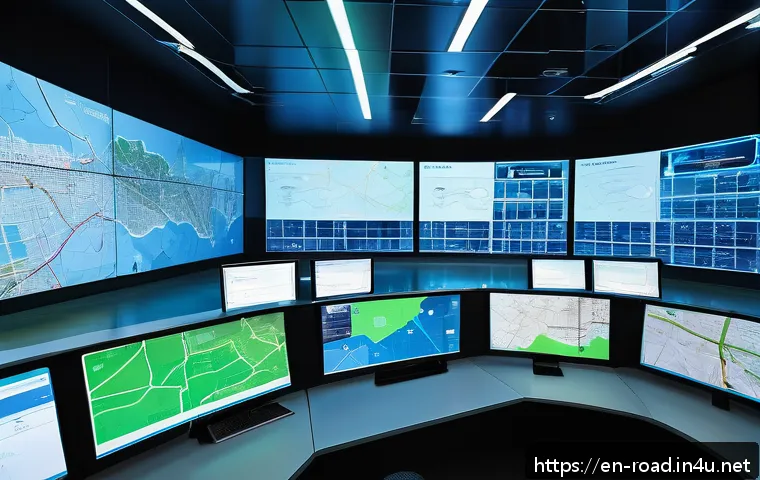
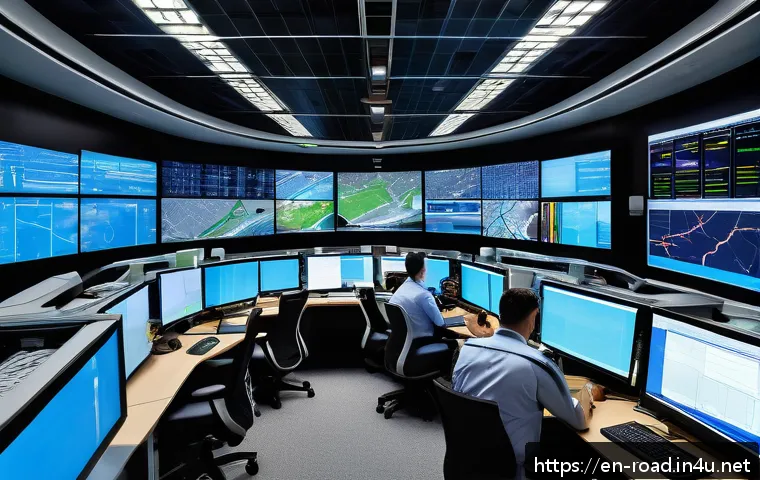
Visualization tools transform complex datasets into intuitive maps and dashboards that anyone on the team can understand quickly. Through my work with traffic control centers, I noticed how these visual aids enhance collaboration among operators, engineers, and emergency responders.
When a sudden incident occurs, clear, real-time visuals enable rapid coordination and resource deployment. Mastery of these visualization platforms is essential for professionals who need to digest large volumes of information swiftly and act decisively under pressure.
Advanced Communication Systems Connecting Road Users and Managers
Vehicle-to-Infrastructure (V2I) Communication
One of the most revolutionary advancements is the Vehicle-to-Infrastructure communication, which allows vehicles to exchange information directly with traffic signals, road signs, and control centers.
From what I’ve gathered, this tech reduces reaction times dramatically by providing drivers with warnings about upcoming hazards or signal changes. It’s like having an invisible assistant constantly guiding you through the road network.
Traffic managers must be proficient in configuring and maintaining these systems to ensure they function reliably and securely.
Public Engagement Through Mobile Platforms
Engaging the public is vital for effective traffic management, especially during disruptions or planned events. Mobile apps that provide real-time updates, alternative route suggestions, and incident alerts are now standard tools.
In my experience, users appreciate transparency and timely notifications, which foster trust and compliance. Traffic professionals need to collaborate with communication specialists and app developers to deliver accurate, user-friendly content that helps reduce frustration and risky behavior on the roads.
Emergency Communication Protocols
Clear and fail-safe communication during emergencies can save lives. Traffic professionals often work closely with first responders to establish protocols that prioritize emergency vehicles and manage traffic flow around incidents.
I’ve witnessed how integrated communication systems enable real-time coordination, allowing emergency teams to navigate congested areas efficiently. Understanding these protocols and technology ensures that traffic management supports critical services without delay.
Adaptive Signal Control Technologies Transforming Urban Mobility
Dynamic Signal Timing Based on Traffic Demand
Gone are the days when traffic lights followed rigid timing plans. Adaptive signal control technology adjusts signal phases in response to current traffic conditions.
From observing these systems in various cities, I can attest that they significantly reduce waiting times and idling, which also cuts down emissions. Operators must comprehend the algorithms behind these systems and monitor their performance continuously to optimize flow and address unexpected scenarios.
Coordinated Signal Systems for Corridor Management
Managing traffic along busy corridors requires synchronizing multiple signals to create green waves that facilitate smoother travel. This coordination relies on precise timing and communication between signals.
I’ve been involved in projects where tweaking synchronization improved peak-hour throughput by impressive margins. The technical challenge lies in balancing different traffic volumes and pedestrian needs, requiring a deep understanding of traffic engineering principles and real-world constraints.
Machine Learning Applications in Signal Optimization
Machine learning is increasingly applied to refine traffic signal strategies by learning from ongoing traffic patterns and outcomes. I find it exciting how these systems evolve over time, adapting to seasonal changes or special events without manual reprogramming.
However, professionals must remain vigilant, interpreting machine recommendations and intervening when anomalies occur. This blend of AI and human oversight exemplifies the future of intelligent traffic management.
Comprehensive Incident Detection and Response Strategies
Automated Incident Detection Technologies
Quick detection of accidents or breakdowns is essential to minimize their impact on traffic flow. Technologies like video analytics, radar, and acoustic sensors automatically flag unusual events.
Having worked with such systems, I know that the challenge is not only detecting incidents but also filtering false alarms to prevent unnecessary interventions.
Effective incident detection depends on fine-tuning these tools and integrating them with response protocols.
Coordinated Multi-Agency Response
Handling incidents requires seamless cooperation between traffic authorities, law enforcement, medical services, and towing companies. Through experience, I’ve learned that establishing clear communication channels and predefined roles accelerates clearance and reduces secondary accidents.
Traffic managers often serve as coordinators, ensuring that information flows efficiently and resources are dispatched promptly.
Public Information and Traffic Diversion Tactics
Informing the public quickly about incidents and alternative routes helps alleviate congestion around the affected area. I’ve noticed that well-timed messages on variable message signs, social media, and navigation apps can redirect traffic effectively.
Professionals must craft these communications carefully to avoid confusion and maintain trust, often tailoring messages based on incident severity and expected duration.
Using Simulation and Modeling Tools to Predict Traffic Scenarios
Microsimulation for Intersection and Corridor Analysis
Microsimulation models allow traffic engineers to recreate detailed vehicle movements at intersections or along corridors, testing various control strategies before implementation.
From my involvement in simulation projects, these tools provide valuable insights into potential bottlenecks and safety issues without disrupting real-world traffic.
Mastery of simulation software is critical for proposing evidence-based solutions and optimizing infrastructure investments.
Scenario Testing for Event Planning
Major events, construction, or emergencies require scenario testing to anticipate traffic impacts and plan accordingly. I recall working on event traffic management plans where simulations helped identify critical choke points and evaluate diversion strategies.
This proactive approach reduces surprises on the day of the event and improves overall traffic resilience.
Evaluating Environmental and Safety Impacts
Simulations can also estimate emissions and accident risks under different traffic conditions, supporting sustainability and safety goals. Professionals skilled in interpreting these outputs contribute to more holistic planning that balances mobility with environmental stewardship and public health.
Essential Soft Skills for Effective Traffic Coordination
Decision-Making Under Pressure
Traffic incidents often unfold rapidly, requiring split-second decisions that can have major consequences. From my experience, confidence combined with a calm demeanor is vital to assess situations quickly and choose the best course of action.
Training and simulations help build this resilience, but real-world exposure is irreplaceable.
Collaboration Across Diverse Teams
Traffic management involves a wide range of stakeholders—engineers, dispatchers, law enforcement, public officials, and the community. Successful professionals know how to communicate clearly, listen actively, and build consensus.
I’ve found that fostering these relationships pays off during crises when coordinated efforts are most needed.
Continuous Learning and Adaptability
The pace of technological change demands that traffic managers remain lifelong learners. I’ve personally attended numerous workshops and certifications to stay current with emerging tools and best practices.
Embracing change rather than resisting it ensures that professionals remain effective and innovative in their roles.
| Skill Area | Key Technologies | Core Competencies | Typical Applications |
|---|---|---|---|
| Real-Time Data Integration | IoT Sensors, Traffic Cameras, Data Analytics | Data Interpretation, Rapid Decision-Making | Congestion Management, Incident Detection |
| Communication Systems | V2I, Mobile Apps, Emergency Protocols | Technical Configuration, Public Engagement | Driver Alerts, Emergency Coordination |
| Adaptive Signal Control | Dynamic Timing Algorithms, Machine Learning | Traffic Engineering, System Monitoring | Traffic Flow Optimization, Emission Reduction |
| Incident Management | Video Analytics, Multi-Agency Communication | Coordination, Crisis Communication | Accident Clearance, Traffic Diversion |
| Simulation & Modeling | Microsimulation Software, Scenario Testing Tools | Analytical Thinking, Planning | Infrastructure Design, Event Traffic Planning |
| Soft Skills | — | Decision-Making, Collaboration, Adaptability | Operational Efficiency, Team Coordination |
Leveraging Emerging Technologies for Future-Ready Traffic Systems
Autonomous Vehicles and Traffic Management Integration
The rise of autonomous vehicles (AVs) introduces new layers of complexity and opportunity for traffic management. I’ve followed pilot programs where AVs communicate with infrastructure to optimize routing and reduce congestion.
Professionals need to understand AV behavior and incorporate it into traffic models to prepare for mixed traffic environments where human-driven and autonomous vehicles coexist.
Edge Computing and Decentralized Control
To handle the enormous volume of data generated by connected vehicles and sensors, edge computing processes information locally rather than relying solely on centralized servers.
This shift reduces latency and enables faster responses. Traffic managers must familiarize themselves with this architecture to design resilient systems that maintain performance even during network disruptions.
Blockchain for Secure and Transparent Data Sharing
Security and trust are paramount when multiple agencies and private entities share traffic data. Blockchain technology offers a promising solution by providing tamper-proof records and transparent access controls.
While still emerging in traffic management, I believe gaining expertise in blockchain could position professionals at the forefront of secure infrastructure development.
Building Sustainable Traffic Solutions with Environmental Awareness
Incorporating Green Infrastructure Principles
Sustainable traffic management goes beyond efficiency—it embraces environmental stewardship. I’ve worked on projects integrating green infrastructure such as permeable pavements and urban greenery alongside traffic systems.
These elements help mitigate runoff and improve air quality, blending mobility goals with ecological benefits.
Promoting Active and Public Transportation
Encouraging shifts from private vehicles to walking, biking, and public transit is crucial for reducing congestion and emissions. Traffic professionals often collaborate with urban planners to design multimodal networks that prioritize safety and convenience for all users.
My observations confirm that success hinges on understanding community needs and behavior patterns.
Monitoring and Reducing Emissions Through Traffic Control
Adaptive traffic signals and smooth flow directly impact vehicle emissions. By reducing stop-and-go traffic, these technologies lower fuel consumption and pollution.
I’ve analyzed emissions data before and after signal optimizations, and the environmental gains are tangible. Traffic managers play a vital role in advancing these green objectives through informed control strategies.
Conclusion
Efficient traffic management increasingly relies on the smart integration of real-time data, advanced communication systems, and adaptive technologies. Drawing from hands-on experience, it’s clear that combining human expertise with cutting-edge tools creates safer, smoother, and more sustainable urban mobility. As cities evolve, continuous learning and collaboration remain key to meeting future transportation challenges.
Useful Information to Keep in Mind
1. Real-time data from IoT sensors and cameras is essential for proactive traffic control and congestion reduction.
2. Predictive analytics and machine learning help anticipate traffic patterns, improving planning and safety.
3. Clear communication through mobile platforms and V2I technology enhances driver awareness and emergency coordination.
4. Simulation tools allow traffic managers to test scenarios and optimize infrastructure before implementation.
5. Emphasizing sustainability by promoting public transit and green infrastructure benefits both mobility and the environment.
Key Takeaways
Modern traffic management demands a blend of technical skills and soft skills, including rapid decision-making and teamwork across agencies. Embracing emerging technologies like autonomous vehicles, edge computing, and blockchain will be crucial for future-ready systems. At the same time, balancing efficiency with environmental responsibility ensures that urban mobility solutions remain sustainable and beneficial for communities. Professionals who adapt to these evolving demands will lead the way in transforming transportation networks worldwide.
Frequently Asked Questions (FAQ) 📖
Q: uestionsQ1: What are the key skills required for effective traffic management in smart cities?
A: Effective traffic management today requires a blend of technical know-how and adaptive problem-solving skills. Professionals need to understand data analytics to interpret traffic flow patterns, be proficient with IoT devices and connected vehicle technologies, and stay updated on AI-driven traffic control systems.
Equally important are soft skills like quick decision-making, communication, and collaboration with multiple stakeholders to respond promptly to incidents or changing conditions.
From my experience, those who combine technology expertise with situational awareness tend to manage traffic most efficiently.
Q: How do connected vehicle technologies improve road safety?
A: Connected vehicle technologies enable real-time communication between cars, traffic signals, and control centers, which drastically reduces the chances of accidents.
For example, vehicles can share information about sudden braking or hazardous conditions ahead, allowing drivers or automated systems to react faster than human reflexes alone.
In practice, I’ve seen these systems prevent collisions at busy intersections by adjusting traffic signals dynamically and alerting drivers to potential risks well in advance.
This integration of technology enhances overall situational awareness and helps maintain smoother, safer traffic flows.
Q: What challenges do traffic safety professionals face with the rise of smart infrastructure?
A: One major challenge is managing the sheer volume and complexity of data generated by sensors, cameras, and connected devices. Professionals must filter and analyze this information quickly to make informed decisions.
Additionally, integrating legacy systems with new smart technologies can be tricky, requiring ongoing training and adaptability. Another hurdle is ensuring privacy and cybersecurity, as increased connectivity opens up vulnerabilities.
From what I’ve observed, those who embrace continuous learning and foster strong partnerships with tech developers are better equipped to overcome these challenges and keep traffic systems running safely.