In today’s fast-paced world, road traffic safety remains a critical concern as accidents continue to impact communities worldwide. With rising vehicle numbers and complex urban traffic systems, effective teamwork among drivers, pedestrians, and authorities has never been more essential.
I’ve noticed firsthand how coordinated efforts can drastically reduce risks and save lives on the road. This blog dives into practical teamwork strategies that pave the way for safer streets and smoother traffic flow.
Whether you’re a daily commuter or a traffic professional, understanding these collaborative approaches can transform how we navigate our roads together.
Let’s explore how working as a team unlocks the true potential of traffic safety success.
Building Mutual Awareness on the Road
Understanding Each Other’s Roles
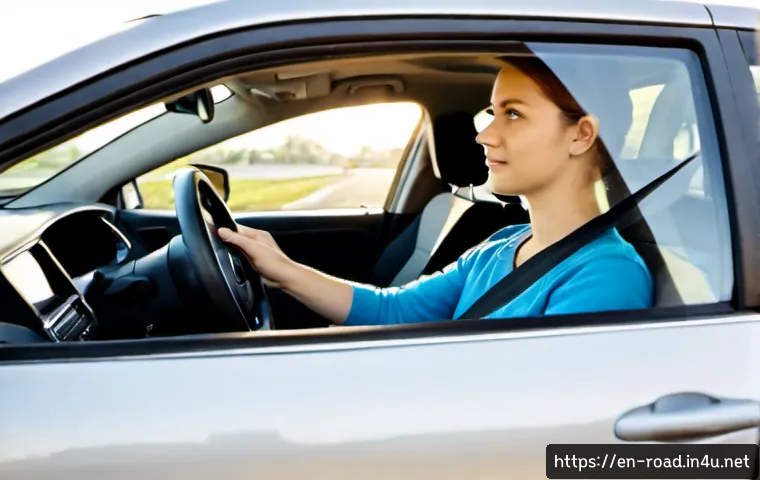
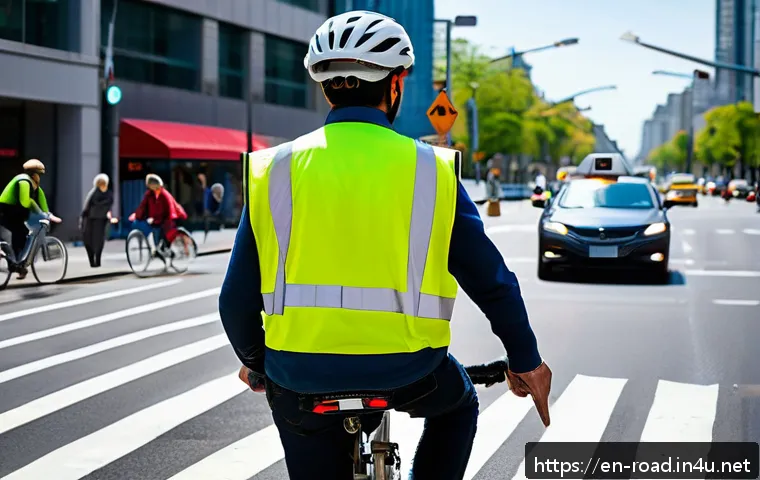
When you’re behind the wheel, it’s easy to forget that every participant on the road—drivers, cyclists, and pedestrians—plays a crucial role. From my experience navigating busy city streets, I’ve realized that recognizing others’ responsibilities can prevent countless misunderstandings.
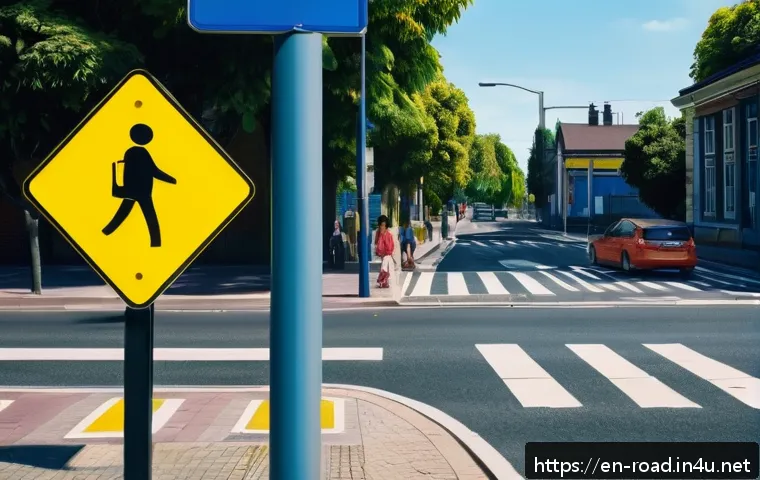
For example, a driver who respects pedestrian crosswalks and waits patiently helps build trust. Meanwhile, pedestrians who avoid sudden crossings and make eye contact with drivers contribute to smoother interactions.
This mutual understanding creates an invisible but powerful safety net that helps everyone anticipate actions before they happen, reducing surprises and potential collisions.
Non-Verbal Communication as a Safety Tool
Have you ever noticed how a simple hand wave or a nod from another driver can make a difference? These small gestures serve as vital non-verbal cues that convey intentions clearly when words aren’t possible.
From my personal driving encounters, I’ve found that flashing headlights, signaling early, or even slowing down to let someone merge can deescalate tense moments on the road.
These signals are like a silent language that, when used consistently, fosters cooperation and respect among road users. Embracing this form of communication isn’t just courteous—it’s a practical strategy that keeps traffic flowing and hazards minimized.
Sharing Real-Time Information Effectively
In today’s connected world, sharing traffic information instantly can be a game changer. Apps like Waze or Google Maps rely heavily on user input to warn others about accidents, roadblocks, or speeding zones.
From my experience using these platforms daily, I’ve seen how timely alerts help drivers make smarter route choices and avoid dangerous spots. But beyond technology, simple acts like signaling properly or pulling over safely for emergency vehicles also count as sharing vital information.
This exchange builds a collective awareness that benefits everyone on the road, making journeys safer and less stressful.
Collaborative Traffic Management Strategies
Coordinating Traffic Signals with Driver Behavior
Traffic lights and signs are only as effective as the drivers who obey them. I’ve observed that when drivers anticipate signal changes and adjust their speed accordingly, traffic flows more smoothly, and stop-and-go congestion decreases.
Cities investing in adaptive traffic signals that respond to real-time conditions show promising results, but driver cooperation remains key. For example, if drivers understand why a light might stay red longer or why they’re being directed to an alternate route, compliance improves naturally.
This coordinated dance between infrastructure and human behavior is essential for reducing accidents and keeping traffic moving efficiently.
Emergency Response Teams Working Seamlessly
When accidents happen, the clock starts ticking immediately. In my conversations with first responders, it’s clear that rapid coordination between police, paramedics, and fire services saves lives.
But this teamwork extends beyond just professionals; bystanders and drivers who slow down or create space for emergency vehicles facilitate quicker responses.
I’ve personally witnessed how organized efforts at the scene—like directing traffic away and communicating updates—minimize chaos and prevent secondary crashes.
These collaborative actions underscore the importance of everyone playing their part in emergency scenarios.
Community Engagement in Traffic Safety Initiatives
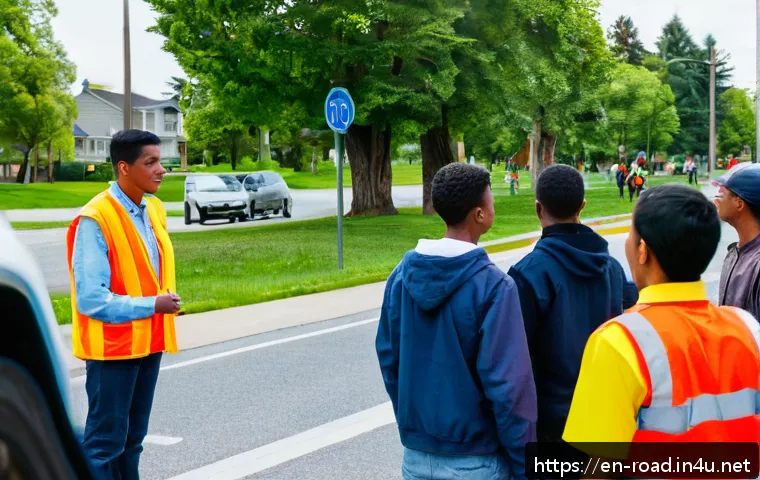
Traffic safety isn’t just a government responsibility; it thrives when communities actively participate. Local neighborhood groups, schools, and businesses often organize safety workshops, awareness campaigns, and volunteer patrols.
From my involvement in such initiatives, I’ve seen firsthand how educating residents about safe crossing practices or speed limits creates a culture of shared responsibility.
When people feel empowered to contribute and voice concerns, authorities can tailor solutions that fit specific needs. This grassroots teamwork complements formal traffic management and leads to sustainable improvements.
Leveraging Technology to Enhance Cooperation
Vehicle-to-Vehicle Communication Systems
The future of road safety is increasingly digital. Advanced vehicle-to-vehicle (V2V) communication allows cars to “talk” to each other, sharing data about speed, location, and sudden braking.
From test drives I’ve experienced with cars equipped with V2V, the system provides early warnings of hazards invisible to the driver’s eye. This technology acts as an extra set of eyes, helping drivers react faster and avoid collisions.
As more vehicles adopt these systems, the potential for coordinated, real-time teamwork on the road skyrockets, turning individual drivers into a connected safety network.
Smart Infrastructure Supporting Drivers
Smart traffic lights, dynamic speed signs, and sensor-embedded roadways are no longer science fiction—they’re practical tools that improve cooperation.
I’ve noticed in cities where these technologies are implemented, drivers receive clearer instructions and real-time feedback, reducing guesswork. For instance, a speed sign that adjusts based on weather or congestion nudges drivers to adapt their behavior promptly.
This interaction between infrastructure and drivers fosters a cooperative environment where technology supports human decision-making, making roads safer and less stressful for everyone.
Mobile Apps as Collaborative Platforms
Mobile applications are transforming how drivers and pedestrians share information. Beyond navigation, many apps now include community-driven features like reporting potholes, dangerous intersections, or reckless driving.
From my use of these platforms, I’ve found they create a sense of shared vigilance and accountability. When users actively participate, authorities gain valuable data to prioritize improvements.
Plus, receiving real-time alerts helps individuals adjust their routes or driving style, contributing to collective safety. These apps turn isolated road users into an engaged community working together.
Promoting Respect and Patience Among Road Users
Understanding the Impact of Aggressive Driving
Aggressive driving—speeding, tailgating, sudden lane changes—has always been a major risk factor. I’ve often reflected on how my own frustration during rush hour could have escalated into dangerous behavior if I hadn’t consciously slowed down.
Aggression not only endangers the driver but also triggers a chain reaction affecting others. Promoting patience helps break this cycle. When drivers choose calmness over haste, traffic moves more predictably, and stress levels drop.
This attitude shift is a fundamental piece of teamwork on the road, where respect trumps recklessness.
Encouraging Courteous Driving Habits
Simple acts of kindness—letting someone merge, yielding to pedestrians, signaling intentions early—go a long way. I’ve noticed that when drivers consistently practice courteous habits, it creates a ripple effect, encouraging others to do the same.
This mutual respect transforms the driving experience from a competitive challenge into a cooperative journey. Courteous driving reduces conflicts and confusion, which are often root causes of accidents.
It’s a mindset that, once adopted broadly, significantly enhances road safety and the overall atmosphere behind the wheel.
Educating New Drivers on Empathy and Cooperation
Teaching new drivers isn’t just about technical skills; it’s about cultivating empathy for all road users. From my time volunteering as a driving instructor, I observed that emphasizing cooperation helps new drivers anticipate others’ actions and react appropriately.
Lessons focusing on sharing the road, understanding vulnerabilities, and managing emotions prepare novices for real-world conditions. This foundational approach builds a generation of drivers who value teamwork, reducing risky behaviors and creating safer roads for everyone.
Effective Communication Between Authorities and the Public
Transparent Reporting of Traffic Data
Authorities that openly share traffic accident statistics, roadwork updates, and safety campaign results build trust with the public. I’ve found that when drivers understand the reasons behind changes—like detours or new signage—they’re more willing to comply.
Transparency fosters a partnership where citizens feel informed and involved. This cooperation is crucial for successfully implementing safety measures and encourages proactive behavior rather than resistance or confusion.
Responsive Feedback Channels
Providing accessible platforms for citizens to report hazards or suggest improvements creates a feedback loop that benefits everyone. From my experience interacting with local traffic departments, those who respond promptly to public input see higher community engagement and faster problem resolution.
When people know their voices matter, they’re more invested in maintaining safe roads. This ongoing dialogue between authorities and the public embodies teamwork at a systemic level.
Public Awareness Campaigns with Clear Messaging
Campaigns that use relatable stories, clear visuals, and actionable tips resonate more deeply. I’ve noticed that when messages focus on shared goals—like protecting children or reducing injuries—they inspire collective responsibility.
Effective campaigns avoid blame and instead highlight how cooperation improves outcomes for all. This positive framing encourages everyone to participate actively in traffic safety efforts.
Key Elements of Successful Traffic Safety Teamwork
| Element | Description | Example |
|---|---|---|
| Clear Communication | Using signals, gestures, and technology to share intentions and warnings. | Drivers signaling lane changes early to alert others. |
| Mutual Respect | Recognizing and honoring the rights and responsibilities of all road users. | Yielding to pedestrians at crosswalks. |
| Coordinated Response | Emergency teams and road users working together during incidents. | Creating space for ambulances to pass through traffic jams. |
| Technological Support | Leveraging apps and smart infrastructure to provide real-time information. | Using mobile apps to avoid congested or hazardous routes. |
| Community Involvement | Engaging local groups in safety education and reporting. | Neighborhood watch programs reporting speeding in residential areas. |
In Conclusion
Building mutual awareness and cooperation on the road is essential for everyone’s safety and comfort. From respecting each other’s roles to embracing technology and community efforts, teamwork transforms driving into a shared responsibility. When patience and clear communication guide our actions, roads become safer and more enjoyable for all users. Let’s keep working together to create a more harmonious traffic environment.
Helpful Information to Remember
1. Always be aware of the different roles and responsibilities of drivers, cyclists, and pedestrians to prevent misunderstandings on the road.
2. Use non-verbal signals like hand waves, nods, and early turn signals to communicate intentions clearly and reduce tension.
3. Leverage mobile apps and smart infrastructure to stay informed about traffic conditions and hazards in real time.
4. Practice patience and courteous driving habits, as these behaviors significantly reduce accidents and improve traffic flow.
5. Engage with community safety programs and stay informed through transparent communication from authorities to contribute to safer roads.
Key Takeaways
Effective road safety relies on clear communication, mutual respect, and coordinated efforts among all road users and emergency responders. Embracing technology and community involvement enhances these efforts, making real-time information sharing and cooperative behavior possible. Cultivating patience and empathy, especially among new drivers, lays the foundation for long-term improvements. Transparent communication from authorities builds trust and encourages public participation, completing the circle of successful traffic safety teamwork.
Frequently Asked Questions (FAQ) 📖
Q: uestionsQ1: How can drivers, pedestrians, and authorities effectively collaborate to improve road safety?
A: Effective collaboration starts with clear communication and mutual respect among all parties. Drivers should always stay alert and follow traffic rules, pedestrians need to use crosswalks and signals responsibly, and authorities must ensure proper signage, enforce laws consistently, and maintain infrastructure.
When each group understands their role and cooperates—like drivers yielding to pedestrians or authorities running awareness campaigns—the entire traffic ecosystem becomes safer.
From my experience, community workshops and public campaigns that bring these groups together have led to noticeable reductions in accidents and smoother traffic flow.
Q: What are some practical teamwork strategies that everyday commuters can adopt to enhance traffic safety?
A: As a daily commuter myself, I’ve found that simple habits make a big difference. For example, maintaining a safe following distance, avoiding distractions like phone use while driving, and being patient during congestion help prevent accidents.
Pedestrians can increase their visibility by wearing bright clothing and making eye contact with drivers before crossing. Carpooling or using public transit also reduces the number of vehicles on the road, easing traffic pressure.
These small, cooperative actions collectively improve road safety and contribute to a more pleasant commute.
Q: Why is teamwork among different traffic participants more important now than ever?
A: With the rapid growth of urban populations and vehicle numbers, traffic systems have become more complex and congested. This complexity increases the potential for accidents if individuals act solely on their own.
Teamwork is vital because it fosters shared responsibility—drivers, pedestrians, cyclists, and authorities all play a part in preventing collisions and managing traffic flow.
From what I’ve observed, cities that promote cooperative traffic culture through education, technology (like synchronized traffic lights), and community involvement see fewer accidents and better overall mobility.
It’s clear that working together unlocks safer, more efficient roads for everyone.