In today’s fast-paced world, road safety remains a pressing concern as traffic volumes surge and urban areas grow more complex. Behind every smooth commute and well-managed intersection stands a road traffic officer whose skills go far beyond just directing vehicles.
Understanding the essential personality traits that make these officers truly effective can shed light on why some excel in keeping our streets safe while others struggle.
If you’ve ever wondered what it takes to handle high-pressure situations with calm and confidence, this deep dive into the qualities of top-performing traffic officers is for you.
Stay tuned as we explore the human side of traffic management that often goes unnoticed but is critical to our daily safety.
Mastering Calmness Under Pressure
Why Staying Cool Matters More Than You Think
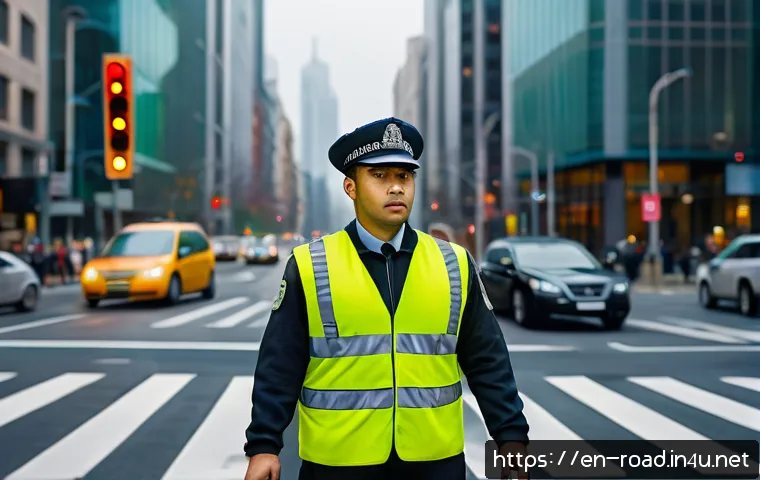
When you’re standing in the middle of a busy intersection with cars honking and impatient drivers zooming past, panic isn’t an option. From my own experience watching seasoned officers, their ability to remain calm isn’t just about personal temperament—it directly affects how smoothly traffic flows and how safe everyone remains.
Calm officers can think clearly, make quick decisions, and communicate effectively even in chaotic moments. This steadiness can mean the difference between preventing an accident or causing one.
It’s a skill honed through experience but grounded in a natural calmness that some develop over time.
Techniques Traffic Officers Use to Maintain Composure
Traffic officers often use deep breathing techniques, mental rehearsals, and brief moments of mindfulness during quieter periods to reset their focus.
I remember a conversation with a veteran officer who said, “You learn to breathe through the chaos.” These small moments of self-regulation help maintain clarity and prevent stress from clouding judgment.
It’s fascinating how these simple techniques, applied consistently, build resilience and improve overall performance on the job.
Real-Life Example: Handling a Multi-Vehicle Collision
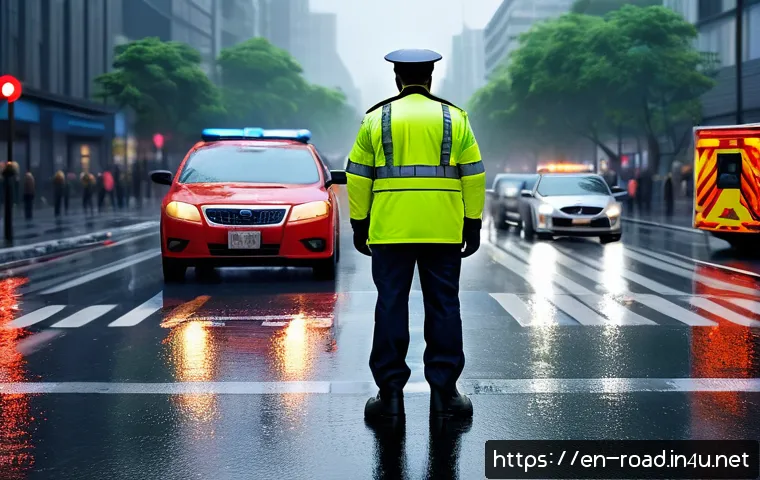
I once observed a traffic officer managing a multi-vehicle pile-up on a rainy evening. Instead of rushing or freezing, the officer calmly directed emergency services, managed traffic detours, and reassured distressed drivers.
His calm demeanor helped keep the scene under control, minimizing further incidents. This is a vivid example of how critical composure is—it reassures the public and keeps the situation from escalating.
Sharp Situational Awareness
Reading the Environment Like a Pro
Situational awareness for a traffic officer isn’t just about spotting a speeding car. It’s about reading the entire scene: pedestrian movement, weather changes, road surface conditions, and even driver body language.
From watching officers in action, I’ve noticed how they constantly scan their surroundings, anticipating potential issues before they happen. This proactive mindset is key to preventing accidents and ensuring smooth traffic flow.
How Experience Enhances Perception
Years on the job sharpen an officer’s intuition. I’ve spoken to many officers who describe it as a “sixth sense” developed through countless hours on the street.
They pick up subtle clues—a driver’s hesitation, a pedestrian distracted by their phone, or a vehicle edging too close to a bike lane—that most people would miss.
This heightened awareness allows them to intervene early, often preventing dangerous situations before they escalate.
Training Tools That Boost Awareness
Modern training programs increasingly incorporate virtual reality simulations and scenario-based drills to improve situational awareness. These tools immerse officers in realistic traffic environments where they must make split-second decisions, enhancing their ability to process complex information quickly.
From what I’ve gathered, such training dramatically improves readiness and confidence when facing real-world challenges.
Effective Communication Beyond Words
The Power of Non-Verbal Signals
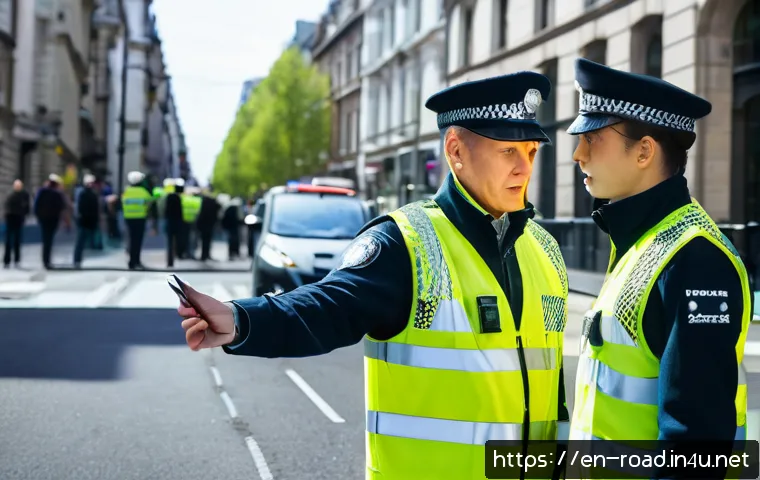
Traffic officers rely heavily on non-verbal communication, such as hand gestures, eye contact, and body positioning, to direct drivers efficiently. I’ve noticed that the best officers use clear, confident gestures that drivers can understand instantly, reducing confusion and hesitation.
This skill often goes unnoticed but is vital in noisy, busy environments where verbal commands might be drowned out.
Balancing Authority and Approachability
An officer’s tone and demeanor can either escalate or defuse tense situations. From personal observation, officers who strike a balance between firm authority and approachable friendliness tend to gain better compliance from the public.
For example, a calm smile combined with clear instructions often leads to smoother interactions than a harsh or impatient tone.
Listening Skills That Matter
Effective communication isn’t just about speaking—it’s about listening too. Officers who take a moment to listen to frustrated drivers or pedestrians often defuse tension and gain cooperation.
This empathetic approach builds trust and fosters a safer, more respectful environment on the roads.
Adaptability to Unpredictable Conditions
Managing Weather and Environmental Challenges
Traffic conditions can change rapidly due to weather, construction, or special events. Officers who adapt quickly can reroute traffic, adjust signals, or change their approach to ensure safety.
I’ve seen officers who expertly shift from managing a sunny day’s rush hour to handling sudden downpours with slippery roads, demonstrating impressive flexibility and problem-solving skills.
Handling Diverse Traffic Patterns
Urban areas often present complex traffic patterns with pedestrians, cyclists, and vehicles all sharing limited space. Top officers adjust their strategies based on the time of day, local events, and even cultural habits of drivers and pedestrians.
This adaptability requires deep knowledge of the area and an ability to think on one’s feet.
Learning from Unexpected Situations
Mistakes and surprises happen, even to the best officers. What sets them apart is their ability to learn and adjust quickly. I recall an officer sharing how a sudden road closure forced an impromptu detour, and how they used feedback from drivers to improve future responses.
This mindset of continuous learning enhances their effectiveness over time.
Strong Ethical Foundation and Integrity
Why Ethics Matter in Traffic Enforcement
Traffic officers hold a position of public trust. Their decisions can impact lives, so acting with integrity is non-negotiable. From my conversations with officers, it’s clear that a strong moral compass guides them through difficult calls, such as issuing citations or managing disputes.
This ethical grounding earns public respect and reinforces law enforcement credibility.
Dealing with Pressure to Cut Corners
Officers sometimes face pressure to overlook violations or bend rules. The best officers resist these temptations, understanding that fairness and consistency are essential for long-term safety and community trust.
I admire those who stand firm on principles despite external pressures, showing true professionalism.
Building Trust Within the Community
Integrity fosters trust, which is critical for community cooperation. Officers who demonstrate honesty and fairness often receive more positive responses from drivers and pedestrians alike.
This trust makes enforcement smoother and encourages safer behavior voluntarily, reducing the need for harsh measures.
Physical and Mental Endurance
Keeping Energy Levels High Through Long Shifts
Traffic officers often work long hours standing in all weather conditions, which can be physically demanding. From what I’ve seen, those who maintain physical fitness and practice good self-care handle these challenges better.
Hydration, proper rest, and nutrition aren’t just buzzwords—they’re survival tools that keep officers sharp and alert.
Maintaining Mental Focus Amid Fatigue
Mental stamina is just as important as physical endurance. Officers must stay vigilant even after hours of repetitive tasks. I’ve heard many share their tricks for staying mentally fresh, such as short mental breaks, positive self-talk, and engaging in light physical movement during downtime.
Support Systems and Stress Management
Support from colleagues and access to counseling resources play a huge role in managing job-related stress. I’ve noticed that departments prioritizing mental health see officers performing better and staying in the profession longer.
This holistic approach to well-being benefits both officers and the communities they serve.
| Key Trait | Why It Matters | Practical Example |
|---|---|---|
| Calmness Under Pressure | Enables quick, clear decision-making during chaotic situations | Managing a multi-vehicle accident without escalating panic |
| Situational Awareness | Helps anticipate and prevent accidents before they occur | Spotting distracted pedestrians near busy crosswalks |
| Effective Communication | Ensures clear instructions and reduces confusion | Using hand signals to direct traffic despite noisy environment |
| Adaptability | Allows flexible responses to changing traffic and weather conditions | Rerouting traffic during sudden road closures |
| Ethical Integrity | Builds public trust and ensures fair enforcement | Consistently applying traffic rules regardless of external pressures |
| Physical & Mental Endurance | Maintains performance and alertness during long shifts | Practicing self-care to stay focused during extended patrols |
Leadership and Team Collaboration
Guiding Traffic Teams with Confidence
Traffic management is rarely a solo effort. Officers often work in teams, coordinating their efforts to manage large events or emergencies. I’ve witnessed great leaders who inspire their teams through clear communication, trust, and shared responsibility.
Their confidence helps keep everyone aligned and effective even in stressful scenarios.
Learning from Peers and Sharing Knowledge
An open mindset toward learning from colleagues strengthens team cohesion and individual skills. Officers who regularly exchange tips and experiences tend to adapt faster and handle unexpected challenges more smoothly.
I’ve found that this collaborative spirit not only improves safety but also boosts job satisfaction.
Community Engagement as a Team Effort
Beyond directing traffic, officers often serve as community liaisons, educating the public about road safety. Working together on outreach programs or safety campaigns requires teamwork and shared goals.
This collective effort enhances the overall impact of traffic management on public well-being.
Technological Savvy and Continuous Learning
Embracing New Tools and Innovations
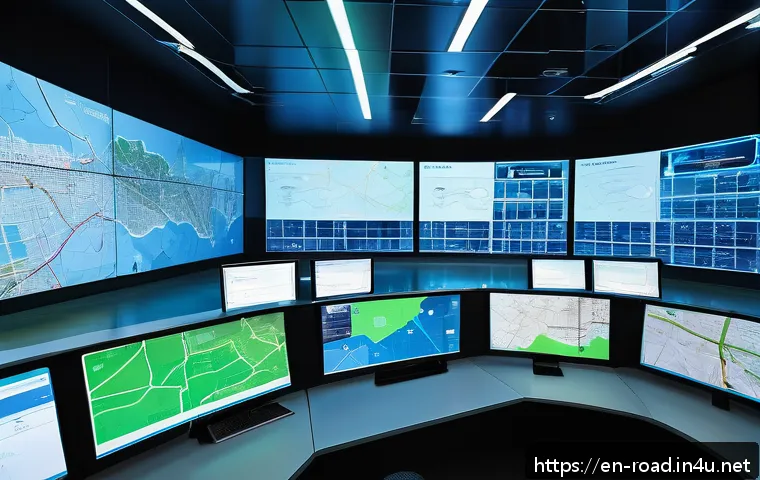
Technology is rapidly changing how traffic is managed—from digital signals to AI-powered monitoring systems. Officers who embrace these tools can improve efficiency and safety.
I’ve seen early adopters lead the way by mastering new devices and integrating them seamlessly into daily operations.
Commitment to Ongoing Training
Traffic laws, technology, and urban layouts evolve constantly. Officers dedicated to continuous learning stay ahead of these changes and perform better.
I’ve encountered officers who attend workshops, online courses, and simulations regularly, which keeps their skills sharp and relevant.
Balancing Tech with Human Judgment
Despite technological advances, human judgment remains irreplaceable. The best officers know when to rely on tech and when to trust their experience and intuition.
This balance ensures that technology enhances rather than replaces critical decision-making on the ground.
In Closing
Mastering calmness, situational awareness, and effective communication are essential skills for traffic officers facing daily challenges. Their ability to adapt, uphold integrity, and maintain endurance directly impacts public safety and trust. By embracing continuous learning and teamwork, they ensure smoother traffic management and stronger community relationships. These qualities not only define professionalism but also inspire confidence on the roads.
Useful Information to Keep in Mind
1. Practicing deep breathing and mindfulness can help maintain composure in high-pressure situations, improving decision-making.
2. Developing keen situational awareness allows early identification of potential hazards, preventing accidents before they occur.
3. Clear non-verbal communication, like hand signals and body language, is vital in noisy or chaotic environments.
4. Adapting quickly to changing weather and traffic patterns enhances safety and efficiency in traffic management.
5. Maintaining physical fitness and mental resilience supports long shifts, helping officers stay alert and effective.
Key Takeaways
Effective traffic management hinges on a combination of calmness under pressure, sharp situational awareness, and strong communication skills. Officers must balance the use of modern technology with human judgment while demonstrating unwavering ethical standards. Physical and mental endurance, along with teamwork and ongoing training, build a foundation for success in this demanding role. Ultimately, these traits foster public trust and contribute to safer roads for everyone.
Frequently Asked Questions (FAQ) 📖
Q: What key personality traits make a road traffic officer effective in managing busy intersections?
A: Effective road traffic officers typically exhibit calmness under pressure, excellent communication skills, and strong situational awareness. They must stay composed during chaotic moments, clearly signal drivers and pedestrians, and quickly assess changing traffic patterns to prevent accidents.
Patience and decisiveness also play crucial roles, enabling officers to manage diverse personalities and make prompt judgments that keep traffic flowing smoothly.
Q: How do road traffic officers handle high-stress situations without losing focus?
A: Many officers develop coping mechanisms through training and real-world experience. Techniques like deep breathing, maintaining a positive mindset, and focusing on their immediate responsibilities help them stay grounded.
Personally, I’ve noticed that officers who regularly engage in physical fitness and mindfulness practices tend to manage stress better. Their ability to compartmentalize the pressure allows them to respond calmly and effectively, even when traffic conditions become overwhelming.
Q: Why is understanding the human side of traffic management important for public safety?
A: Recognizing the human factors behind traffic control highlights the critical role officers play beyond just enforcing rules. Their empathy, quick thinking, and communication skills directly influence how drivers react and cooperate.
When the public appreciates the challenges officers face, it fosters respect and patience, reducing road rage and unsafe behaviors. Ultimately, this understanding supports safer roads and smoother commutes for everyone involved.