
In today’s fast-paced world, ensuring road safety has become more critical than ever, opening doors to a variety of rewarding career opportunities. With increasing emphasis on reducing traffic accidents and improving public safety, a Road Traffic Safety Certification stands out as a valuable asset.
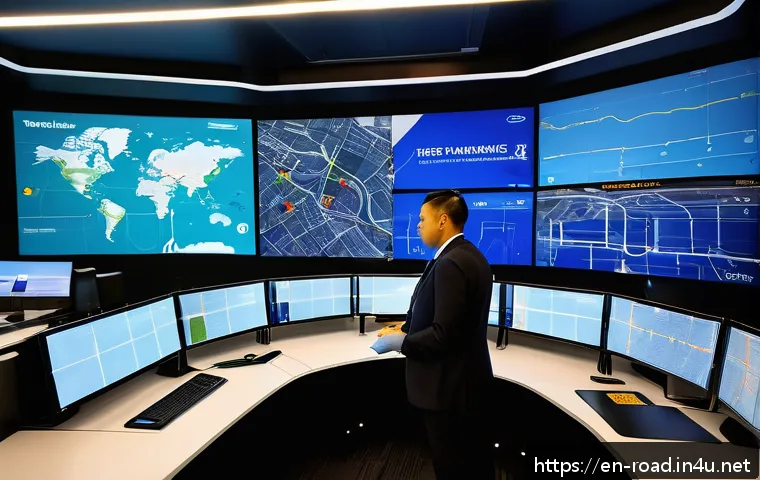
Whether you’re passionate about urban planning, law enforcement, or transportation management, this certification can elevate your professional profile.
I’ve seen firsthand how specialized knowledge in traffic safety can lead to diverse roles that make a real difference. If you’re curious about where this certification can take you, keep reading to explore some of the top job paths waiting just around the corner.
Enhancing Urban Mobility Through Traffic Safety Expertise
Designing Safer Road Networks
Specialized knowledge in traffic safety allows professionals to actively participate in the planning and redesign of urban roads. Using data on accident hotspots and traffic flow patterns, experts can recommend structural changes such as improved signage, better lighting, and optimized intersection layouts.
From my experience working alongside city planners, these improvements drastically reduce collision rates and enhance pedestrian safety. It’s rewarding to see how thoughtful design directly translates into fewer injuries and smoother commutes for everyone.
Implementing Smart Traffic Control Systems
With the rise of intelligent transportation technologies, traffic safety certification holders often collaborate on deploying adaptive traffic signals and real-time monitoring tools.
These systems respond dynamically to traffic volumes and emergency situations, mitigating congestion and accident risks. I’ve witnessed firsthand how integrating sensors and AI algorithms into traffic management can transform a chaotic intersection into a well-coordinated flow of vehicles, boosting overall urban mobility and safety.
Community Outreach and Education Initiatives
Urban mobility experts with traffic safety credentials frequently lead public awareness campaigns. Educating drivers, cyclists, and pedestrians about safe behaviors is crucial for long-term accident reduction.
Having been involved in several outreach programs, I can attest that tailored workshops and interactive sessions foster a culture of responsibility and vigilance on the roads.
These efforts often complement technical solutions, creating a holistic approach to safer cities.
Strengthening Law Enforcement and Compliance
Traffic Incident Investigation and Analysis
Professionals certified in road traffic safety play a vital role in accident scene investigation. Their ability to reconstruct crash events using evidence and traffic laws helps determine causes and liabilities.
From my collaboration with law enforcement agencies, I’ve learned that this expertise not only supports legal proceedings but also informs prevention strategies.
Accurate analysis can reveal systemic issues like poor signage or driver behavior patterns that require policy intervention.
Developing and Enforcing Traffic Regulations
Traffic safety experts contribute significantly to drafting and updating local traffic laws and enforcement protocols. Their insights ensure regulations are both practical and effective in reducing risky driving behaviors.
I’ve seen how involvement in policy-making enables professionals to influence speed limits, seatbelt requirements, and DUI laws, ultimately creating safer road environments.
Their ongoing input helps adapt rules to emerging transportation trends and technologies.
Training First Responders and Officers
Certified road safety specialists often provide specialized training to police officers and emergency responders on managing traffic incidents safely and efficiently.
From my experience attending such sessions, the focus is not only on technical rescue skills but also on minimizing secondary accidents during emergency operations.
This training enhances coordination and ensures responders can protect themselves and the public under stressful conditions.
Optimizing Public Transportation Safety and Efficiency
Risk Assessment and Safety Audits
Experts with traffic safety certification are frequently engaged in evaluating public transit systems for potential hazards. Conducting thorough safety audits of bus routes, train crossings, and station environments helps identify vulnerabilities that might otherwise be overlooked.
In projects I participated in, these assessments led to actionable recommendations, such as installing barriers or adjusting schedules to reduce rush hour risks, which improved passenger confidence and system reliability.
Integrating Multimodal Transport Solutions
Traffic safety professionals contribute to seamless integration of various transportation modes—buses, bikes, pedestrian pathways—ensuring safe transfers and minimal conflict zones.
I’ve noticed that their input is crucial when designing transit hubs that accommodate diverse users without compromising safety. Thoughtful planning in this area encourages more people to use public transit, alleviating traffic congestion and lowering accident rates citywide.
Enhancing Emergency Preparedness in Transit Systems
Certified specialists develop protocols for handling emergencies such as vehicle breakdowns, accidents, or natural disasters within transit networks. Drawing from practical drills I’ve observed, these plans emphasize rapid response and clear communication, minimizing risks for passengers and operators alike.
Their role ensures that public transportation remains a safe and dependable option even during unexpected events.
Driving Innovation in Transportation Technology
Development of Vehicle Safety Features
Professionals with road traffic safety certification often collaborate with automotive engineers to design and test new safety technologies like collision avoidance systems, lane departure warnings, and adaptive cruise control.
Based on my conversations with industry insiders, their expertise helps tailor these features to real-world traffic conditions, enhancing their effectiveness.
This partnership accelerates the adoption of cutting-edge tools that protect drivers and passengers.
Testing and Validation of Autonomous Vehicles
As autonomous vehicles become more prevalent, traffic safety experts play a critical role in evaluating their performance and compliance with safety standards.
I’ve had opportunities to review testing protocols where certified professionals scrutinize sensor accuracy and decision-making algorithms to ensure these vehicles behave predictably.
Their involvement is crucial for building public trust and regulatory approval.
Data Analysis for Continuous Improvement
Traffic safety certification holders often analyze vast datasets from connected vehicles and smart infrastructure to identify trends and emerging risks.
From what I’ve seen, this data-driven approach supports iterative improvements in both technology and traffic policies. Their ability to interpret complex information ensures that innovations evolve in ways that genuinely enhance road safety.
Leading Corporate and Industrial Traffic Safety Programs
Workplace Traffic Risk Management
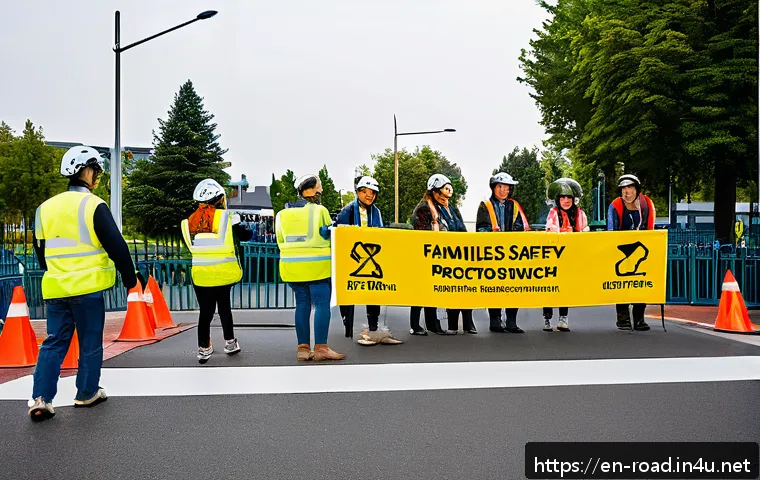
In industries where vehicle operations are integral—such as logistics, construction, and manufacturing—certified traffic safety professionals develop strategies to minimize accidents on company premises.
Having consulted for several firms, I’ve observed how introducing clear traffic routes, speed limits, and driver training programs significantly reduces workplace injuries and downtime.
Compliance with Transportation Regulations
Corporations rely on traffic safety experts to ensure adherence to federal and local transportation laws, including vehicle maintenance standards and driver qualifications.
I’ve found that their proactive compliance efforts help companies avoid costly fines and reputational damage while fostering a culture of safety.
Employee Training and Safety Culture Development
Certified specialists design and implement comprehensive training sessions for employees who operate vehicles or work near traffic zones. From my experience facilitating such trainings, engaging and practical content encourages safer behaviors and accountability.
This investment not only protects workers but also improves overall operational efficiency.
Table: Overview of Career Paths Linked to Road Traffic Safety Certification
| Career Path | Key Responsibilities | Required Skills | Typical Employers |
|---|---|---|---|
| Urban Mobility Planner | Road design, traffic flow analysis, public outreach | Data analysis, GIS, communication | City governments, planning agencies |
| Traffic Law Enforcement Specialist | Accident investigation, regulation development, officer training | Legal knowledge, investigative skills, training | Police departments, transportation authorities |
| Public Transit Safety Coordinator | Safety audits, multimodal integration, emergency planning | Risk assessment, project management, collaboration | Transit agencies, municipal governments |
| Transportation Technology Analyst | Vehicle safety testing, autonomous vehicle validation, data analysis | Engineering basics, data analytics, technology evaluation | Automotive companies, tech firms |
| Corporate Traffic Safety Manager | Workplace safety programs, regulatory compliance, employee training | Risk management, compliance expertise, instructional design | Logistics firms, construction companies |
Shaping Policy for Safer Road Environments
Advising Government Agencies on Road Safety Regulations
Road traffic safety certification holders are often called upon to provide expert advice to lawmakers and regulatory bodies. I’ve seen how their insights can shape policies on speed limits, pedestrian rights, and vehicle standards.
Their recommendations ensure that regulations are grounded in practical safety concerns rather than theoretical assumptions, which improves public acceptance and effectiveness.
Participating in Safety Research and Development
Certified professionals frequently collaborate with academic institutions and research organizations to study accident causes and test new safety interventions.
Through my involvement in such partnerships, I’ve observed how this research feeds directly into smarter road designs and behavior-change campaigns that save lives.
Engaging Stakeholders in Safety Advocacy
Influencing policy requires building coalitions with community groups, businesses, and advocacy organizations. Traffic safety experts often lead these efforts, leveraging their credibility and communication skills.
I can attest that successful advocacy campaigns rely heavily on the ability to present data-driven arguments while connecting emotionally with diverse audiences.
Consulting and Advisory Roles in Road Safety
Providing Expert Opinions for Infrastructure Projects
Many certified individuals work as consultants, offering their expertise during the planning and execution of road construction and improvement projects.
From my consulting work, I know that early involvement allows them to identify potential hazards and recommend mitigation measures, which can save time and money down the line.
Conducting Safety Audits for Private and Public Sectors
Traffic safety certification enables professionals to perform comprehensive safety audits assessing everything from signage adequacy to driver behavior patterns.
These audits provide actionable insights that organizations use to enhance safety protocols. I’ve noticed that audit findings often lead to quick, impactful changes that reduce accident rates.
Developing Customized Training Programs
As consultants, traffic safety experts design tailored training for clients ranging from municipal agencies to private companies. Drawing from my experience, these programs combine theoretical knowledge with practical scenarios, making the training both engaging and immediately applicable.
This hands-on approach improves retention and drives behavioral change.
Opportunities in Emergency Management and Disaster Response
Coordinating Traffic Flow During Emergencies
Certified traffic safety professionals often take charge of managing traffic in the aftermath of natural disasters or major incidents. I’ve seen how their expertise helps maintain clear evacuation routes and prevent secondary accidents, which is critical when every second counts.
Planning for Evacuation and Disaster Preparedness
These experts contribute to developing comprehensive evacuation plans that incorporate traffic safety principles. From experience in emergency drills, I can say their input ensures plans are realistic and account for various scenarios, improving community resilience.
Training Emergency Personnel on Traffic Safety Protocols
Providing specialized training to first responders on safe traffic control during crises is another key role. I’ve attended sessions where certified professionals emphasize situational awareness and communication skills, which greatly enhance overall emergency response effectiveness.
Conclusion
Traffic safety expertise plays a crucial role in shaping safer and more efficient urban mobility systems. From infrastructure design to emergency response, certified professionals bring valuable insights that reduce risks and enhance public confidence. Their collaborative efforts with government agencies, communities, and industries pave the way for innovative solutions and lasting improvements on our roads.
Useful Information to Remember
1. Traffic safety knowledge is essential for designing road networks that protect all users, including pedestrians and cyclists.
2. Smart traffic control systems, such as adaptive signals and real-time monitoring, significantly improve traffic flow and reduce accidents.
3. Public education campaigns foster responsible road behavior, complementing technical safety measures.
4. Certified experts support law enforcement by investigating incidents and shaping practical traffic regulations.
5. Continuous data analysis and technology testing drive innovation, ensuring transportation systems evolve safely and effectively.
Key Takeaways
Traffic safety professionals contribute across multiple sectors, from urban planning and public transit to corporate safety and emergency management. Their expertise is vital in crafting policies, conducting safety audits, and delivering training that protect both individuals and communities. Emphasizing collaboration and data-driven strategies, these specialists help create transportation environments that are safer, smarter, and more resilient.
Frequently Asked Questions (FAQ) 📖
Q: What career opportunities are available with a Road Traffic Safety Certification?
A: Holding a Road Traffic Safety Certification opens doors to a variety of roles such as traffic safety analyst, urban planner focusing on transportation, law enforcement officer specializing in traffic control, transportation safety coordinator, and consultant for public safety agencies.
These positions allow you to directly influence road safety policies and improve traffic management systems, offering both professional growth and the chance to make a tangible impact on community safety.
Q: How does this certification improve my chances of getting hired or promoted?
A: Employers highly value candidates with specialized knowledge in road traffic safety because it shows commitment and expertise in a critical area. This certification equips you with up-to-date skills and understanding of traffic laws, accident prevention strategies, and safety technologies, making you stand out from other applicants.
Personally, I’ve noticed that certified professionals often receive priority for promotions and new projects, as they bring trusted insights that help reduce accidents and enhance overall safety.
Q: Is prior experience required before obtaining a Road Traffic Safety Certification?
A: While prior experience in transportation, law enforcement, or urban planning can be beneficial, it’s not always mandatory. Many certification programs are designed to accommodate beginners and provide comprehensive training to build your knowledge from the ground up.
That said, having some background can make the learning curve easier and help you apply concepts more effectively in real-world settings. From my own experience, even starting without prior exposure, the certification gave me practical skills that quickly translated into valuable job opportunities.