Hey there, road safety enthusiasts and future traffic guardians! Have you ever truly pondered what it takes to keep our streets and highways safe, beyond just knowing the rules?
It’s not just theory; it’s about getting your hands dirty with rigorous, practical training that genuinely prepares you for real-world challenges. From my experience watching this critical field evolve, I’ve seen firsthand how a robust, hands-on education is the bedrock for turning good intentions into life-saving actions.
If you’re like me and constantly curious about the essential steps to becoming a truly effective road traffic safety professional, especially when it comes to those absolutely crucial real-world training requirements, then you’ve landed in the perfect spot.
Let’s dive deeper into what you need to know to master this vital field!
Beyond the Books: Why Practical Experience is Non-Negotiable
The Folly of Theory Without Practice
It’s fascinating, isn’t it, how some fields still cling to the idea that you can master a craft just by reading about it? In road traffic safety, that’s just not how it works.
I’ve seen countless times, and honestly, even experienced it myself in different areas, that brilliant theoretical knowledge can crumble in the face of real-world chaos.
You can memorize every traffic law, every accident reconstruction formula, and every best practice guideline, but until you’ve actually been out there, feeling the pressure, making split-second decisions with lives potentially hanging in the balance, it’s all just academic.
This isn’t just about understanding the ‘what,’ it’s about internalizing the ‘how’ and the ‘why’ in a high-stakes environment. True competence in this field is forged in the crucible of practical application, not just in the quiet halls of a lecture room.
It’s the difference between knowing the recipe and actually cooking a five-star meal under pressure – a world apart, wouldn’t you agree? Trust me, the road throws curveballs the textbooks never mention.
Bridging the Gap: From Classroom to Critical Situations
This is where the rubber truly meets the road, so to speak. Imagine learning about emergency vehicle operation solely from a manual. Sounds ludicrous, right?
You need to feel the weight of the vehicle, understand its dynamics under duress, and react instinctively to unforeseen obstacles. I remember hearing a seasoned pro once say, “The road doesn’t care if you passed your exam with flying colors; it only cares if you can handle what it throws at you.” This really stuck with me.
Practical training isn’t just supplementary; it’s foundational. It’s about building muscle memory for defensive driving, developing keen observational skills to spot hazards before they escalate, and honing the communication abilities essential for coordinating responses during an incident.
This hands-on approach helps bridge that massive chasm between theoretical understanding and the messy, unpredictable reality of traffic safety. It allows professionals to develop that ‘gut feeling’ and adaptability that no amount of reading can ever replicate.
Simulating Reality: The Power of Advanced Training Environments
High-Fidelity Simulation: A Game Changer
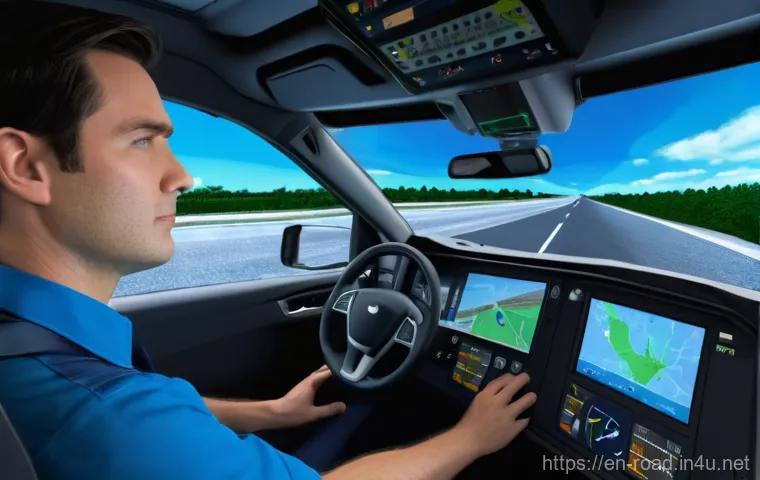
When we talk about preparing for the unexpected, nothing quite compares to high-fidelity simulations. Honestly, when I first heard about these sophisticated setups, I was skeptical, thinking they’d be glorified video games.
But having seen them in action and hearing from professionals who’ve trained extensively using them, my perspective completely shifted. These aren’t just screens and joysticks; they are immersive environments designed to mimic everything from adverse weather conditions to complex multi-vehicle pile-ups, all without putting anyone in actual danger.
Think about it: you can repeatedly practice critical maneuvers, emergency braking, and incident command scenarios in a controlled yet realistic setting.
This isn’t just about repetition; it’s about learning from mistakes without real-world consequences, allowing for a level of experimentation and skill refinement that would be impossible or far too risky in live training.
It builds confidence and sharpens decision-making under stress, which is absolutely invaluable.
Scenario-Based Learning: Preparing for the Unpredictable
One of the coolest aspects of these advanced training environments is their focus on scenario-based learning. Instead of just drilling isolated skills, you’re put into dynamic situations that evolve based on your decisions.
This mimics the chaotic nature of real-life incidents so well. I’ve spoken with folks who’ve gone through these programs, and they often describe how these scenarios force them to think on their feet, prioritize tasks, and adapt their strategies as new information comes in.
It’s not just about reacting; it’s about proactive assessment and strategic planning. They might face anything from a distracted driver causing a chain reaction to a hazardous materials spill requiring rapid containment and evacuation protocols.
The beauty of it is the immediate feedback and debriefing, where instructors can pinpoint exactly what went well and where improvements can be made. This iterative process is key to developing truly resilient and effective road traffic safety professionals.
Mastering the Wheels: Hands-On Vehicle Operation and Incident Response
Emergency Vehicle Operation Course (EVOC) Essentials
Alright, let’s talk about getting behind the wheel. It’s one thing to drive your personal car to the grocery store, but it’s an entirely different beast when you’re operating an emergency vehicle with lights and sirens blaring, navigating congested streets, and responding to a critical incident.
This is where an Emergency Vehicle Operation Course, or EVOC, becomes not just important, but absolutely vital. From what I’ve observed and heard from those who live and breathe this stuff, a proper EVOC curriculum dives deep into advanced driving techniques: evasive maneuvers, precision braking, high-speed control, and understanding vehicle dynamics under extreme conditions.
It’s about developing an acute awareness of your surroundings and predicting other drivers’ reactions – or lack thereof. I recall a police officer friend telling me how EVOC wasn’t just about driving fast, but about driving *safely and predictably* under pressure, which is a nuanced skill that only hands-on practice can cultivate.
Without this kind of rigorous, practical training, even the best intentions can lead to disastrous outcomes on the road.
First Responder Protocols and Scene Management
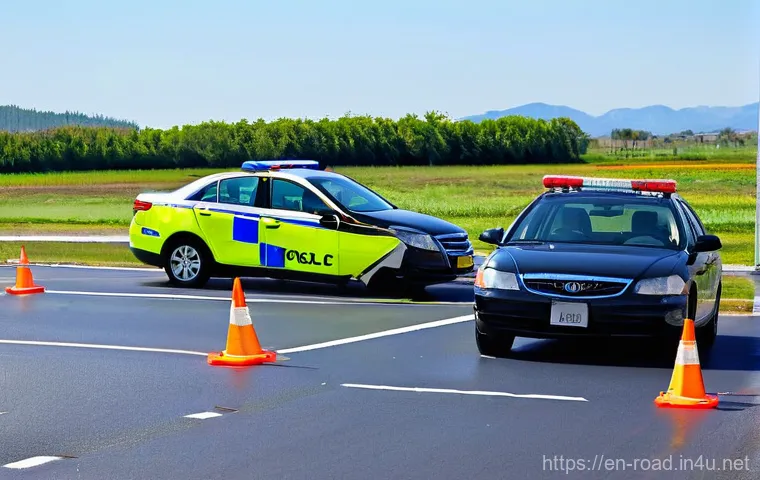
Beyond just driving, traffic safety professionals often arrive first at accident scenes, making their initial actions absolutely paramount. This isn’t just about calling for backup; it’s about immediate scene assessment, securing the area, providing initial aid, and managing the flow of traffic to prevent secondary incidents.
The training for this is incredibly hands-on, often involving mock accident scenes with staged victims and simulated hazards. I’ve witnessed some of these drills, and they’re incredibly realistic – participants have to quickly establish perimeters, direct traffic using proper signals, assess injuries, and even deal with agitated bystanders.
It’s an intense, multi-tasking environment that demands quick thinking and decisive action. From my perspective, this practical exposure is what truly differentiates a competent professional from someone who just knows the theory.
They learn not just *what* to do, but *how* to do it effectively and efficiently under immense pressure, which can make all the difference in saving lives and mitigating further damage.
The Human Element: Communication, Psychology, and Crisis Management
Navigating Public Interactions and Emotional Stress
Road traffic safety isn’t just about asphalt and vehicles; it’s profoundly about people. Think about it: every incident involves individuals, often under immense emotional distress or even shock.
This is where the human element in training really shines. Professionals need robust skills in de-escalation, empathetic communication, and crisis intervention.
It’s not something you can learn purely from a textbook. You need to practice talking to distraught accident victims, agitated drivers, or even grieving family members.
I’ve heard stories from paramedics and police officers about how crucial their communication training was, allowing them to effectively calm chaotic situations and gather vital information when emotions were running high.
It’s about maintaining composure yourself while being a steady presence for others. This kind of practical training often involves role-playing and simulations with actors to create believable, high-stress scenarios, helping trainees develop that crucial emotional intelligence and resilience.
Effective Inter-Agency Collaboration
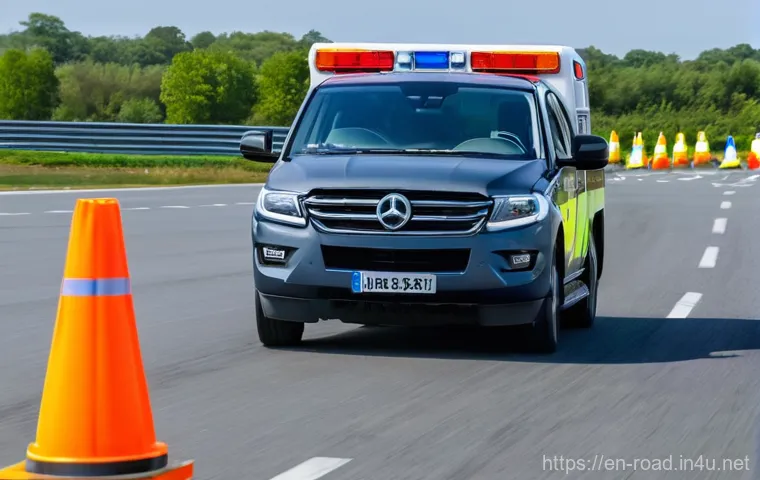
In almost any significant road incident, you’re not working alone. Police, fire, paramedics, tow services, even environmental agencies – everyone has a role.
And let me tell you, effective collaboration isn’t something that just magically happens; it requires dedicated, practical training. From what I’ve seen, joint training exercises are absolutely critical for these professionals.
They learn to understand each other’s jargon, protocols, and operational limitations. This isn’t just about knowing who does what, but about practicing seamless handoffs, clear communication channels, and shared command structures in real-time, simulated environments.
I remember a traffic management specialist explaining how a breakdown in communication between different agencies could escalate a minor incident into a major crisis.
These collaborative drills foster trust and efficiency, ensuring that when a real emergency strikes, everyone acts as a cohesive unit, dramatically improving response times and overall outcomes.
It’s truly fascinating to watch how these complex systems come together through focused, practical effort.
Staying Ahead of the Curve: Continuous Learning and Certification
The Ever-Evolving Landscape of Road Safety
Just like any dynamic field, road traffic safety isn’t static; it’s constantly evolving with new technologies, changing traffic patterns, and updated regulations.
This means that for professionals in this area, ‘set it and forget it’ simply isn’t an option. Continuous learning isn’t just a buzzword; it’s an absolute necessity.
I’ve personally witnessed how quickly things change, from the introduction of autonomous vehicle technologies to smarter traffic management systems. Keeping up requires a commitment to ongoing education, attending workshops, seminars, and specialized courses.
It’s about being proactive, not reactive, to the shifts in the industry. For example, understanding the intricacies of new vehicle safety features or the implications of connected infrastructure on accident investigation requires dedicated study beyond initial certification.
Those who truly excel in this field are the ones who treat their education as an ongoing journey, always hungry for the next piece of knowledge or skill that will make them more effective.
Professional Certifications and Advanced Training Programs
Beyond just staying informed, formal certifications play a huge role in demonstrating expertise and commitment. These aren’t just fancy pieces of paper; they often represent rigorous training and evaluation in specialized areas.
Think about certifications in accident reconstruction, traffic incident management (TIM), or even specific vehicle inspection techniques. From my vantage point, pursuing these advanced certifications isn’t just about career progression; it’s about deepening one’s skill set and becoming a truly authoritative figure in their niche.
Many of these programs involve intensive practical components, requiring participants to demonstrate proficiency in real-world scenarios or simulations.
They often act as benchmarks of excellence, signaling to employers and the public alike that a professional possesses a validated, high level of expertise in a specific area.
Investing in these certifications is investing in yourself and your capability to make a tangible difference on our roads.
| Certification Area | Key Skills Developed | Typical Training Duration |
|---|---|---|
| Traffic Incident Management (TIM) | Scene safety, rapid clearance, inter-agency coordination, traffic control | 24-40 hours (initial) |
| Accident Reconstruction Specialist | Forensic analysis, data collection, collision dynamics, mathematical modeling | 80-160 hours (advanced) |
| Emergency Vehicle Operations (EVOC) | Defensive driving, high-speed maneuvers, vehicle control under pressure | 16-24 hours |
| Roadway Worker Safety | Work zone setup, flagging procedures, personal protective equipment (PPE) use | 8-16 hours |
Building Your Toolkit: Essential Gear and Technology Proficiency
Mastering Modern Diagnostic and Safety Tools
You know, it’s easy to overlook, but a professional in road traffic safety is only as good as their tools – and their ability to use them. We’re not just talking about reflective vests and cones anymore; modern traffic safety relies heavily on cutting-edge technology.
From handheld laser speed guns and portable breathalyzers to sophisticated drone technology for accident scene mapping and digital data recorders in vehicles, the array of equipment is vast.
The practical training here is all about getting hands-on with these devices. I’ve heard from folks who specialize in accident investigation how crucial it is to not just know *what* a total station or a 3D scanner does, but to actually operate it flawlessly under various conditions, ensuring accurate data collection that can hold up in court.
This isn’t just about pressing buttons; it’s about understanding the nuances of each tool, its calibration, its limitations, and how to troubleshoot it in the field.
Proficiency here directly impacts efficiency and the quality of safety operations.
Leveraging Data Analytics and Predictive Technologies
This might sound a bit futuristic, but it’s very much present: the world of road safety is increasingly driven by data. Professionals aren’t just reacting to incidents; they’re analyzing patterns, identifying high-risk areas, and deploying preventative measures using predictive analytics.
This means practical training isn’t just about physical skills, but also about digital literacy. Learning to interpret complex datasets from traffic cameras, GPS trackers, and crash reports, then translating that into actionable strategies, is a skill honed through practical application.
I’ve seen firsthand how cities are using this information to redesign intersections or implement targeted enforcement campaigns. Understanding how to use Geographic Information Systems (GIS) to map accident hotspots or leverage AI-powered traffic prediction models requires dedicated, hands-on workshops and real-world projects.
It’s about turning raw information into informed decisions, ultimately making our roads safer for everyone. This blend of traditional field skills with advanced data science is truly the future of the profession, and practical training in these areas is absolutely critical.
Closing Thoughts
As we’ve journeyed through the intricate world of road traffic safety, it becomes strikingly clear that truly mastering this field goes far beyond textbooks and theories. It’s about getting your hands dirty, feeling the pressure of real-world scenarios, and constantly adapting to an ever-changing environment. What I’ve come to appreciate most is how this blend of academic knowledge and gritty, on-the-ground experience molds individuals into resilient, life-saving professionals. It’s a calling that demands continuous learning, an open mind to new technologies, and an unwavering commitment to public well-being, all forged through countless hours of practical application. It truly highlights that the best lessons are often learned when the rubber meets the road, literally and figuratively.
Useful Information to Know
1. Considering a career in road traffic safety? Remember that practical experience, even through internships or volunteer work, will give you a significant edge. Employers deeply value candidates who can demonstrate real-world application of their knowledge from day one.
2. For everyday drivers, investing in a defensive driving course, even if not mandatory, can dramatically enhance your awareness and reaction time, making you a safer participant on the roads. It’s truly a game-changer for building confidence behind the wheel.
3. Always stay updated on local traffic laws and emerging vehicle technologies. Knowing how new features like advanced driver-assistance systems (ADAS) work can help you understand future road environments and how to interact with them safely.
4. Support your local first responders and traffic safety professionals. Their relentless dedication to practical training and continuous improvement is what keeps our communities safe, often under incredibly challenging circumstances.
5. If you’re passionate about making a difference, explore specialized certifications like Traffic Incident Management (TIM). These programs offer invaluable hands-on skills that are critical for effectively managing and responding to road incidents.
Key Takeaways
Ultimately, the heart of effective road traffic safety lies in hands-on, practical experience, bolstered by continuous learning and the smart integration of new technologies. It’s a field where theoretical knowledge is merely a starting point, and true mastery is achieved through direct application, immersive training, and the development of both technical and interpersonal skills. Professionals in this crucial area are constantly honing their craft, ensuring they can expertly navigate the unpredictable challenges of our roads and, most importantly, protect lives.
Frequently Asked Questions (FAQ) 📖
Q: Why is hands-on, practical training so incredibly vital for road traffic safety professionals, especially when theory seems like a good starting point?
A: You know, it’s a question I hear a lot, and from my own journey watching countless professionals develop, I can tell you that theory is absolutely essential – it’s the blueprint.
But the real magic, the part where you truly become effective, happens when you get your hands dirty. I’ve seen so many situations where the textbook answer just crumbles under pressure.
It’s in those moments, when you’re faced with unexpected variables – a sudden downpour, an agitated driver, or a multi-vehicle pile-up – that your hands-on experience kicks in.
You develop an almost instinctual feel for risks, a quick-thinking ability that classroom lectures, as great as they are, just can’t impart. It’s about developing that muscle memory for critical decision-making when lives are on the line, and truly understanding the nuances of human behavior on the road, not just the legal codes.
It’s the difference between knowing what to do and instinctively knowing how to do it, under pressure, with real consequences. That practical application, for me, is the bedrock of genuine competence and confidence in this field.
Q: What specific types of “real-world training requirements” should I look for to truly prepare myself for the challenges of this field?
A: When I talk about “real-world training,” I’m thinking beyond just simulation labs, though those are great for initial exposure. What truly sets you apart, from what I’ve observed, is immersion.
Think about experiences like shadowing emergency responders during actual accident investigations – seeing how they assess scenes, collect evidence, and manage traffic flow firsthand.
Participating in large-scale traffic management exercises for major public events, like marathons or concerts, is another fantastic way to learn how to adapt and coordinate under pressure.
Getting involved in community outreach programs where you’re directly interacting with diverse groups of drivers, cyclists, and pedestrians about safety concerns?
Invaluable. It’s about understanding the entire ecosystem, from immediate scene assessment and evidence collection to public communication and long-term planning for safer infrastructure.
It’s gritty, it’s challenging, and it demands your full attention, but oh-so rewarding because you’re actually shaping safer environments, not just reading about them.
Q: Beyond just technical skills, what does it really take to become an “effective” road traffic safety professional – the kind who genuinely makes a difference?
A: You know, when I reflect on the truly impactful professionals I’ve met – the ones who don’t just do their job, but genuinely elevate the safety culture – it’s rarely just about their technical prowess alone.
Yes, knowing regulations, engineering principles, and data analysis is fundamental. But what truly elevates someone is their empathy and their communication.
Can you put yourself in the shoes of a worried parent, a frustrated commuter, or a vulnerable pedestrian? It’s about developing a keen eye for subtle behavioral cues, the ability to communicate complex safety messages effectively to diverse audiences, and having an unwavering commitment to continuous learning.
I mean, the roads are always changing, technology is advancing, and frankly, human behavior is always throwing curveballs! An effective professional isn’t just reactive; they’re proactive, innovative, and deeply invested in fostering a culture of safety.
It’s a powerful blend of head and heart, that emotional intelligence woven with technical skill, and that’s what truly creates lasting, life-saving change.