
Hey everyone! There’s something truly liberating about the open road, isn’t there? For many of us, getting that driver’s license isn’t just about passing a test; it’s a huge step towards independence, a gateway to new adventures, and frankly, a game-changer for daily life.
I remember feeling a mix of nerves and pure excitement envisioning my future drives, from spontaneous road trips to just easily running errands. If you’re currently dreaming of finally getting behind the wheel and setting some solid, long-term goals for your driving journey, you’re absolutely in the right place.
The journey to getting your license can feel daunting, but trust me, with the right strategy, it’s totally achievable and incredibly rewarding. We’re not just talking about the immediate steps like learning parallel parking or acing the written exam.
We’ll explore how this fundamental skill opens doors to future opportunities, from career paths requiring driving to adapting to the exciting new world of electric vehicles and smart city navigation that’s rapidly evolving.
It’s about more than just the piece of plastic; it’s about investing in your personal freedom and future mobility. Thinking about the independence it brings, not just for commuting but for those weekend getaways, makes all the practice worthwhile.
Plus, understanding the financial aspects of car ownership and insurance is a crucial part of your long-term plan. Planning effectively now can save you a ton of stress (and money!) down the road.
This comprehensive guide will help you visualize not just getting your license, but confidently navigating the road ahead for years to come. Let’s dive in and discover exactly how to get there!
Navigating the Initial Licensing Labyrinth
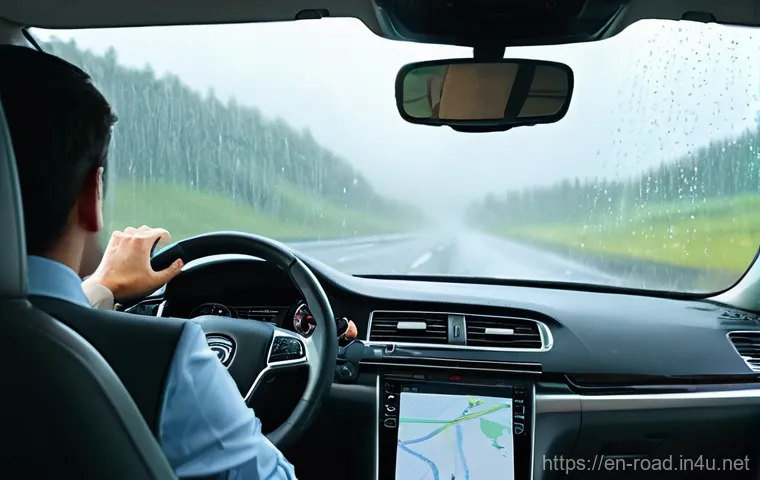
Okay, so you’ve got that fire in your belly to get your license, right? I totally get it! That first step can feel like walking into a maze, especially with all the rules and regulations. From my own experience, the key to making this less stressful is breaking it down into manageable chunks. It’s not just about passing; it’s about genuinely learning to be a responsible driver from day one. I remember feeling overwhelmed just looking at the driver’s manual, but honestly, it’s not as scary as it seems if you approach it strategically. Think of it as building a strong foundation for a skyscraper – you wouldn’t want that swaying in the wind, would you? So, let’s talk about those crucial early stages that set the tone for your entire driving journey. This isn’t just about ticking boxes; it’s about internalizing those rules of the road so they become second nature, something you just *do* without even thinking. You’ll be amazed at how quickly you adapt once you start putting in the effort and truly understanding the ‘why’ behind each rule. It’s an investment in your safety and the safety of everyone else on the road, and that’s something worth spending a little extra time on.
Cracking the Written Exam: My Study Secrets
The written test can feel like a huge hurdle, but honestly, it’s totally conquerable! I remember spending hours poring over the DMV handbook, and while that’s crucial, it’s not just about memorizing facts. It’s about understanding the logic behind the rules. What really helped me was taking a ton of practice tests online – seriously, they’re invaluable. Many states offer free online quizzes that mimic the actual exam. I’d recommend doing them until you consistently score well above the passing mark. Another tip? Don’t just read the material; visualize yourself in those situations. What would *you* do if you saw that sign or were in that particular traffic scenario? Discussing tricky rules with friends or family who already drive can also shed light on things you might not grasp just by reading. And trust me, getting this part solid makes the practical driving lessons so much smoother because you already have the theoretical groundwork in place. It’s like learning the notes before you try to play a song – it just makes sense.
Behind the Wheel: Making Every Lesson Count
Once you’ve passed the written test, the real fun begins – actual driving! For me, this was a mix of pure excitement and sheer terror. Having a good instructor is absolutely game-changing. Don’t just pick the cheapest one; look for someone patient, clear, and who gives constructive feedback. I learned so much from my instructor, not just about how to parallel park (which felt impossible at first, by the way!), but also about anticipating other drivers’ moves and staying calm under pressure. Practice, practice, practice is the mantra here. Get as much supervised driving time as you can with a licensed adult. Go to different areas: city streets, highways, residential zones. Experience driving in varying conditions, too – a bit of rain, maybe some night driving. Each minute you spend behind the wheel builds muscle memory and confidence. Remember, every little mistake is a learning opportunity, not a failure. Embrace the learning curve; it’s all part of becoming a proficient driver.
Mastering the Art of Safe Driving for Life
Getting your license is a huge milestone, but becoming a truly safe and responsible driver? That’s a lifelong journey, my friends. It’s not about passing a test and then forgetting everything. It’s about constantly sharpening your skills, staying vigilant, and truly understanding the dynamic environment of the road. I often think back to those early days when everything felt so new and a bit overwhelming, but with experience, so much becomes second nature. However, that doesn’t mean complacency should ever set in. In fact, that’s when accidents often happen. The best drivers I know are those who treat every trip as an opportunity to practice defensive driving and remain alert, regardless of how many years they’ve been behind the wheel. It’s about building habits that protect you and everyone else around you. This isn’t just about avoiding tickets; it’s about preventing tragedies and ensuring you can confidently navigate any situation the road throws at you.
Beyond the Basics: Defensive Driving and Awareness
Defensive driving isn’t just a fancy term; it’s a mindset that separates good drivers from great ones. It means assuming other drivers might make mistakes and preparing for them. I learned this the hard way once when a car suddenly swerved without signaling – thankfully, I was anticipating something might happen and had enough space to react. It’s about looking beyond the car immediately in front of you, scanning intersections, checking mirrors constantly, and having an escape route in mind. Pay attention to what’s happening two or three cars ahead, not just the one right in front of your bumper. This proactive approach dramatically reduces your risk. It’s about making smart decisions even when others aren’t, and taking responsibility for your own safety on the road. Think of it as a superpower – the power of prediction and preparation!
Weathering the Storm: Handling Challenging Conditions
Driving in perfect sunny weather is one thing, but what about when it’s pouring rain, snowing, or foggy? These conditions can be incredibly intimidating, especially for new drivers. My first experience driving in a heavy downpour was terrifying, but it taught me invaluable lessons about reducing speed, increasing following distance, and avoiding sudden braking. If you live in an area with diverse weather, make a point to practice in less-than-ideal conditions with an experienced driver by your side. Learn about hydroplaning, how to handle black ice, or what to do if visibility drops to almost zero. Understanding how your vehicle reacts differently on wet or slippery roads is crucial. Sometimes, the safest decision is simply not to drive at all if the weather is too severe. Don’t be a hero; your safety is paramount. Learning these skills gives you so much more confidence and control, making you a truly versatile driver.
Future-Proofing Your Driving Skills and Knowledge
The world around us is constantly changing, and driving is no exception. What was state-of-the-art five years ago might be old news today, and the rules of the road can evolve too. To truly embrace your independence on the road for the long haul, you’ve got to be willing to adapt and keep learning. It’s not enough to just get your license and then cruise through life on autopilot. From my vantage point, the most confident and capable drivers are those who view their driving education as an ongoing process, not a one-and-done event. This proactive approach not only keeps you safe but also opens up new possibilities, like confidently driving the latest vehicle models or navigating increasingly complex city infrastructures. The beauty of it is that this continuous learning doesn’t have to be a chore; it can be an exciting journey of discovery, keeping you engaged and empowered behind the wheel for decades to come.
Adapting to New Road Rules and Regulations
Just like everything else, traffic laws aren’t set in stone. New signs appear, right-of-way rules might get refined, and penalties for certain infractions can change. It’s your responsibility as a driver to stay informed. I make it a point to glance through updates from my local Department of Motor Vehicles (DMV) or equivalent transport authority every now and then. Sometimes, these changes are minor, but sometimes they’re significant enough to impact your daily commute or road trip planning. For instance, understanding new HOV lane rules or changes to pedestrian crossing laws is vital, not just for avoiding tickets, but for ensuring smooth and safe traffic flow. Being aware means you’re always driving legally and courteously, which, let’s be honest, makes the roads a better place for everyone. It’s about being a current and knowledgeable participant in the road community.
Exploring Advanced Driving Courses and Certifications
Think you know everything after passing your test? Think again! There are so many advanced driving courses out there that can take your skills to the next level. I seriously considered a defensive driving course a few years after getting my license, and it was eye-opening. They teach you things like skid recovery, evasive maneuvers, and even more nuanced aspects of hazard perception. For younger drivers, especially, these courses can sometimes even lead to discounts on car insurance – a win-win! Or perhaps you’re interested in off-road driving, or even driving larger vehicles like an RV. Each specialization has its own set of skills and certifications. Investing in further training isn’t just about boosting your resume; it’s about gaining unparalleled confidence and competence behind the wheel, preparing you for virtually any situation. It’s truly empowering to know you have those extra skills in your back pocket.
The Financial Roadmap of Car Ownership
Alright, let’s talk turkey, or rather, money. Getting your driver’s license is just the first step; owning and operating a car comes with its own set of financial realities. And trust me, understanding these from the get-go will save you a world of headaches (and emptied wallets) down the line. I remember the sheer shock of my first insurance premium, thinking, “Wait, there’s *more*?!” But once I broke it all down, it became much clearer. It’s not just about the car’s price tag; there’s a whole ecosystem of costs you need to factor into your long-term plan. Thinking about this now, even before you’ve picked out your dream car, is incredibly smart. It allows you to budget realistically and avoid any nasty surprises. Being financially savvy about your vehicle isn’t just about being frugal; it’s about being responsible and ensuring your driving independence remains sustainable. After all, what’s the point of having a license if you can’t afford to drive? This proactive financial planning is a cornerstone of true driving freedom.
Budgeting for Your First Car: More Than Just the Sticker Price
When you start dreaming of your first car, it’s easy to get fixated on the price tag. But oh, my friend, that’s just the tip of the iceberg! Beyond the purchase price (whether outright or a down payment plus monthly loan payments), you need to factor in sales tax, registration fees, and potentially dealership fees. Then there are the ongoing costs: fuel, routine maintenance like oil changes and tire rotations, unexpected repairs, and, of course, insurance. I learned quickly that a cheap car to buy doesn’t always mean a cheap car to own. Sometimes, a slightly more expensive car with better fuel economy and reliability can save you money in the long run. My advice? Create a detailed spreadsheet. List every single potential cost you can think of, both initial and recurring. This gives you a clear picture of what you’re truly committing to financially. It’s an empowering exercise that turns abstract dreams into concrete plans.
Decoding Auto Insurance: Finding the Right Coverage
Ah, auto insurance – the necessary evil that protects us but can also make our heads spin! This is one area where you absolutely cannot skimp. It’s legally required in most places, and more importantly, it protects you financially in case of an accident. I spent a good amount of time comparing quotes and understanding different types of coverage – liability, collision, comprehensive, uninsured motorist. It can be confusing, but don’t just pick the cheapest option without understanding what you’re getting. Factors like your age, driving record, the type of car you drive, and even where you live can significantly impact your premiums. Bundling policies (like home and auto) can often lead to discounts. And remember, as your driving record improves over time, your rates will likely decrease. It’s worth calling a few different companies and having a real conversation with an agent to ensure you’re getting the right coverage for your needs without overpaying.
| Initial Driving-Related Costs | Estimated Cost (USD) | Notes |
|---|---|---|
| Learner’s Permit Fee | $10 – $40 | Varies by state/province. |
| Driving Lessons (package of 10-20 hours) | $500 – $1,500 | Highly recommended for new drivers, costs vary by instructor/school. |
| Driving Test Fee | $15 – $75 | Fee to take the practical road test. |
| First Car Down Payment | $1,000 – $5,000+ | Depends heavily on car value and financing terms. Could be higher for new cars. |
| Car Insurance (first 6 months) | $700 – $2,000+ | Significantly varies by age, location, driving record, and vehicle type. |
| Vehicle Registration & Plates | $50 – $200 | Annual fee, varies by state/province and vehicle type. |
Unlocking New Horizons: Driving for Work and Leisure

Having a driver’s license isn’t just about getting from point A to point B; it’s about unlocking a whole new level of freedom and opportunity. I can tell you from personal experience, the world truly opens up once you have that ability to drive yourself. Suddenly, job applications that once seemed out of reach become possibilities, spontaneous weekend getaways are no longer just dreams, and even daily chores feel less like a burden. It’s an investment in your personal agency and your ability to navigate the world on your own terms. Thinking back to when I first got my license, I felt like I’d been given a superpower. It really does change your perspective on what’s achievable in your personal and professional life. This isn’t just a piece of plastic; it’s a passport to new experiences, a tool for growth, and a source of immense convenience that you’ll quickly wonder how you ever lived without.
Opening Career Doors: When Driving is a Job Requirement
You’d be surprised how many jobs either require or heavily prefer a driver’s license. From sales roles that involve client visits to delivery services, real estate agents, field technicians, or even just commuting to a job that isn’t easily accessible by public transport – having a license can be a crucial differentiator on your resume. I’ve had friends miss out on great opportunities simply because they couldn’t drive. It signals reliability and independence to potential employers, especially when travel is involved. If you’re thinking long-term about your career path, getting your license now can be a strategic move, broadening your options significantly. Don’t underestimate the power of this single skill in professional advancement; it truly can be a stepping stone to your next big career adventure, allowing you to go where the opportunities are, quite literally.
The Freedom of the Open Road: Road Trips and Adventures
Oh, the pure joy of a spontaneous road trip! That’s something you truly appreciate once you have your license. No more relying on others’ schedules or expensive public transport. Pack a bag, grab some snacks, and just hit the highway! From exploring national parks to visiting friends in neighboring states, the possibilities are endless. I remember my first solo road trip; the sense of independence was exhilarating. It wasn’t just about the destination, but the journey itself – the changing landscapes, the quirky roadside diners, the playlists crafted specifically for the drive. These experiences aren’t just fun; they build character and create lasting memories. It’s about more than just driving; it’s about collecting experiences and seeing the world on your own terms, one mile at a time. This kind of freedom is truly priceless.
Embracing the Evolution of Vehicle Technology
Just like our smartphones and computers, cars are constantly evolving, and sometimes at a dizzying pace! From electric vehicles to semi-autonomous driving features, the automotive world is a hub of innovation. As a long-term driver, staying attuned to these changes isn’t just about keeping up with the Joneses; it’s about ensuring you remain a competent and safe operator of modern machinery. I’ve seen so many advancements even in my own driving lifetime, from basic power steering to complex infotainment systems and advanced safety features. It’s fascinating to watch, but it also means our “driver’s education” doesn’t stop after the initial test. Embracing this technological shift is crucial for your driving future, whether it’s understanding how to charge an EV or how your car’s adaptive cruise control actually works. This proactive approach ensures you’re always comfortable and confident, no matter how sophisticated your ride becomes. It’s about driving smarter, not just harder.
Understanding EVs and Hybrids: The Green Shift
Electric vehicles (EVs) and hybrids are no longer niche products; they’re becoming mainstream, and for good reason! They’re quieter, often cheaper to run, and better for the environment. But driving one is a bit different from a traditional gas car. You need to understand charging infrastructure, range anxiety, and regenerative braking. I’ve test-driven a few EVs, and the instant torque is a blast, but learning where to charge up on a long trip or how to maximize battery life becomes a new skill. As charging networks expand and battery technology improves, EVs will become an even bigger part of our driving landscape. Knowing the ins and outs now will prepare you for when you inevitably switch to one, or at least help you understand other drivers on the road. It’s about being future-ready and environmentally conscious.
Smart Features and Autonomous Driving: What’s Next?
Modern cars are packed with “smart” features that would have seemed like science fiction just a couple of decades ago. Think adaptive cruise control that maintains a safe distance, lane-keeping assist that gently steers you back into your lane, or automatic emergency braking. These are designed to enhance safety and comfort, but they also require a driver who understands their limitations and how to properly use them. And then there’s autonomous driving – still evolving, but definitely on the horizon. While fully self-driving cars might be a ways off for most of us, understanding the levels of autonomy and how these systems work is important. It’s about recognizing that while technology assists, the human driver remains ultimately responsible. These features are amazing aids, but they’re not replacements for attentive driving. It’s a dance between human and machine, and knowing the steps makes all the difference.
Building a Responsible Driver’s Persona
Driving isn’t just a solitary act; it’s a social one. Every time you get behind the wheel, you’re interacting with countless other drivers, pedestrians, cyclists, and the environment itself. That’s why building a strong, responsible driver’s persona is just as important as mastering parallel parking. It’s about carrying yourself with respect, empathy, and a strong sense of civic duty when you’re on the road. From my perspective, this is where true maturity in driving shines through. It’s not just about avoiding accidents; it’s about contributing positively to the overall road experience for everyone. Think of it as being a good citizen, but on four wheels. The ripple effect of one considerate driver can actually make a big difference in how smoothly and safely traffic flows, and in the general mood of the road. It’s a commitment that extends far beyond the DMV test, becoming a fundamental part of your identity as a road user.
Environmental Stewardship: Driving Green
Our choices behind the wheel have a direct impact on the environment. From fuel consumption to tire wear, every mile contributes. Being an environmentally conscious driver means making smart choices. This could be as simple as maintaining your car properly to ensure it runs efficiently, checking tire pressure regularly to improve fuel economy, or planning routes to avoid unnecessary idling. As we discussed, opting for an EV or hybrid is a big step, but even with a gasoline car, you can “drive green.” Avoiding aggressive acceleration and harsh braking, for instance, not only saves fuel but also reduces wear and tear on your vehicle. It’s about understanding your footprint and actively working to reduce it, making your driving habits part of a larger commitment to sustainability. Every little bit truly helps our planet.
Community Impact: Being a Considerate Road User
Think about how you feel when someone cuts you off, tailgates, or blasts their horn unnecessarily. It’s frustrating, right? Being a considerate road user means being the opposite of that. It’s about courtesy: yielding when appropriate, using your turn signals well in advance, giving cyclists and pedestrians ample space, and keeping your road rage in check. I’ve learned that a little patience goes a long way. Sometimes, just letting someone merge or giving them a friendly wave can diffuse tension and make the road a more pleasant place. It’s about recognizing that the road is a shared space and that we all have a role in making it safe and efficient for everyone. Being a good road citizen isn’t just about following laws; it’s about embodying the spirit of cooperation and mutual respect. It makes driving less stressful for everyone involved.
Closing Thoughts
And there you have it, my friends! From those nervous first moments behind the wheel to confidently navigating the open road, the journey of driving is truly one of growth, responsibility, and incredible freedom. I hope sharing my own experiences and insights helps you feel more prepared and excited about your own driving adventures, whether you’re just starting out or looking to refine your skills. Remember, it’s not just about getting to a destination; it’s about embracing the journey, learning along the way, and making every mile count – safely and responsibly. Keep that learner’s mindset alive, and the road ahead will always be an exciting one.
Handy Information to Know
1. Always Prioritize Maintenance: Seriously, treat your car like you treat your body – regular check-ups prevent major issues. Neglecting oil changes, tire rotations, or brake inspections can lead to costly repairs down the line, and more importantly, compromise your safety. I learned this lesson the hard way with a surprisingly expensive repair that could have been avoided with a simple, timely service appointment. A well-maintained vehicle is not only safer and more reliable, but it also retains its value better, making it a smarter long-term investment. Consider setting up reminders on your phone or using an app to track your car’s service schedule. It’s a small effort that yields huge returns in peace of mind and financial savings.
2. Master Your Blind Spots: Even with modern mirrors, blind spots are very real and potentially dangerous. Always perform a quick head check over your shoulder before changing lanes, even if your car has fancy blind spot monitors. Technology is a fantastic aid, but it’s never, ever a substitute for direct, human observation. I’ve had countless close calls that were averted simply by that extra glance. Adjusting your side mirrors slightly further out can also help reduce the size of your blind spots, but that physical turn of your head is your ultimate safeguard. Make it an unbreakable habit – it literally saves lives and avoids terrifying moments.
3. Embrace Defensive Driving as a Lifestyle: It’s not just a course you take once; it’s a constant state of heightened awareness that becomes second nature. Always assume other drivers might make a mistake – it’s a pragmatic approach, not a cynical one. Scan ahead, leave ample following distance between your vehicle and the one in front, and always have an escape route in mind in case things go south. This proactive mindset has saved me from so many potential collisions over the years. I vividly remember one time, being extra cautious because of heavy traffic, and that vigilance allowed me to react instantly when a car in front suddenly slammed on its brakes. It’s about being proactive, not merely reactive, and taking absolute responsibility for your safety on the road, regardless of what others are doing.
4. Stay Updated on Local Traffic Laws: Just like everything else, traffic laws are dynamic and evolve over time! What was legal yesterday might have changed today, or new regulations could have been introduced. Regularly check your state’s Department of Motor Vehicles (DMV) website or equivalent local transport authority for any updates. This isn’t just about shrewdly avoiding tickets; it’s fundamentally about being a knowledgeable, compliant, and responsible road user. New signs, updated pedestrian crossing rules, or changes to speed limits can pop up without much fanfare, and ignorance is no defense. I make it a point to do a quick review every year or so, just to ensure I’m not inadvertently breaking any new regulations. It keeps you sharp and ensures you’re always driving legally and courteously, which undeniably makes the roads a better, safer place for everyone.
5. Always Have an Emergency Kit: You simply never know when you’ll encounter a flat tire, a dead battery, or just need some basic first aid. Make it a non-negotiable to keep a well-stocked emergency kit in your trunk: jumper cables, a powerful flashlight with extra batteries, a comprehensive first-aid kit, a warm blanket, some non-perishable snacks, and at least a couple of bottles of water. A fully charged portable phone charger is also an absolute lifesaver. I once got stranded on a deserted road at night with a flat tire, miles from anywhere, and my emergency kit was a true blessing, turning a potential nightmare into a manageable inconvenience. It’s always, always better to be over-prepared than caught completely off guard. This small investment of time and money can make a monumental difference in an unexpected situation, ensuring your safety and comfort.
Key Takeaways
Ultimately, becoming a truly confident and responsible driver is a continuous journey, not a singular destination you reach after passing a test. It profoundly begins with building a solid understanding of the rules and honing practical skills, cultivated through dedicated practice and quality instruction. Remember that the financial aspects of car ownership are just as crucial as the actual act of driving itself – budgeting wisely for insurance, routine maintenance, and fuel will save you considerable stress and unexpected costs down the line. Beyond the foundational basics, make a conscious effort to cultivate an unwavering defensive driving mindset, proactively adapt to the rapid evolution of vehicle technology, and commit wholeheartedly to being an environmentally conscious and remarkably considerate road user. Your driver’s license is so much more than a simple piece of plastic; it’s a powerful tool for independence and opportunity, opening countless doors to career advancements and truly unforgettable adventures. Embrace lifelong learning, stay incredibly vigilant, and always, always prioritize safety. The expansive road ahead is now unequivocally yours to explore, so drive smart, drive safe, and savor every single moment of the incredible freedom it offers!
Frequently Asked Questions (FAQ) 📖
Q: What’s the biggest hurdle to getting your license, and how can I overcome it?
A: I’ve heard so many friends express their biggest fear about getting their driver’s license: the dreaded road test! It’s totally understandable to feel those butterflies, especially when you’re thinking about things like parallel parking or navigating busy intersections with an examiner watching your every move.
But honestly, from my own experience and chatting with countless new drivers, the real biggest hurdle often isn’t the physical driving itself, but the mental game – overcoming anxiety and building consistent confidence.
My absolute top tip here is practice, practice, practice! And I don’t just mean logging hours. It’s about intentional practice.
Instead of just driving around aimlessly, focus on your weak spots. Struggling with three-point turns? Find a quiet street (safely, of course!) and do twenty of them until it feels like second nature.
Feeling nervous about highway driving? Start on smaller stretches during off-peak hours and gradually increase your exposure. Another game-changer?
Find a patient, encouraging co-pilot – whether it’s a parent, a friend, or a professional instructor. Someone who can give constructive feedback without adding to your stress.
Remember, every little success builds your confidence, and soon enough, those intimidating maneuvers will just be part of your routine. You’ve totally got this!
Q: Beyond just passing the test, how does getting a license really impact my future?
A: Oh, wow, this is a question I wish I’d thought more about when I was first getting my license! Most of us initially see it as a ticket to immediate freedom – no more begging for rides, hello spontaneous weekend trips!
And absolutely, that immediate independence is huge. But when you zoom out, a driver’s license is actually a foundational skill that opens up a surprising number of doors for your entire future.
Think about career opportunities, for starters. Many jobs, even seemingly unrelated ones, list “valid driver’s license” as a requirement – from sales roles to fieldwork, or even just needing reliable transport to get to work every day.
It vastly expands your job search radius! Then there’s the whole evolving world of mobility: electric vehicles, ride-sharing, smart city infrastructure.
Understanding how to drive and navigate puts you in a prime position to adapt to these exciting changes, whether it’s knowing how to efficiently charge an EV or understanding dynamic traffic patterns.
It’s not just about getting from A to B; it’s about being connected, being adaptable, and having the power to explore new horizons, whether for personal growth, family needs, or professional advancement.
It truly is an investment in your personal and professional longevity, trust me.
Q: What are the key financial considerations I should be aware of after getting my license?
A: This is such a crucial question, and honestly, one that often gets overlooked in the initial excitement! Getting your license is just the first step; actually owning and operating a car comes with its own set of financial realities.
Trust me, learning about these early can save you a ton of headaches (and cash!) down the road. First up, insurance. This is often the biggest shock for new drivers, especially younger ones.
Premiums can be steep, so it’s vital to shop around and compare quotes from different providers. Factors like your age, driving record, the type of car you drive, and even where you live all play a role.
Don’t just settle for the first quote you get! Then there’s the actual car itself. Are you buying new or used?
What about financing options? Don’t forget about ongoing expenses like fuel – and with gas prices always fluctuating, it’s a constant consideration. Regular maintenance is non-negotiable for safety and longevity; think oil changes, tire rotations, and those unexpected repairs that always seem to pop up at the worst time.
And yes, things like registration fees, annual inspections, and even parking can add up. My advice? Create a realistic budget, factor in all these costs, and start setting aside a “car fund” if you can.
Being prepared financially means you can truly enjoy the freedom your license brings without constant money worries. It’s all part of becoming a smart, responsible driver!