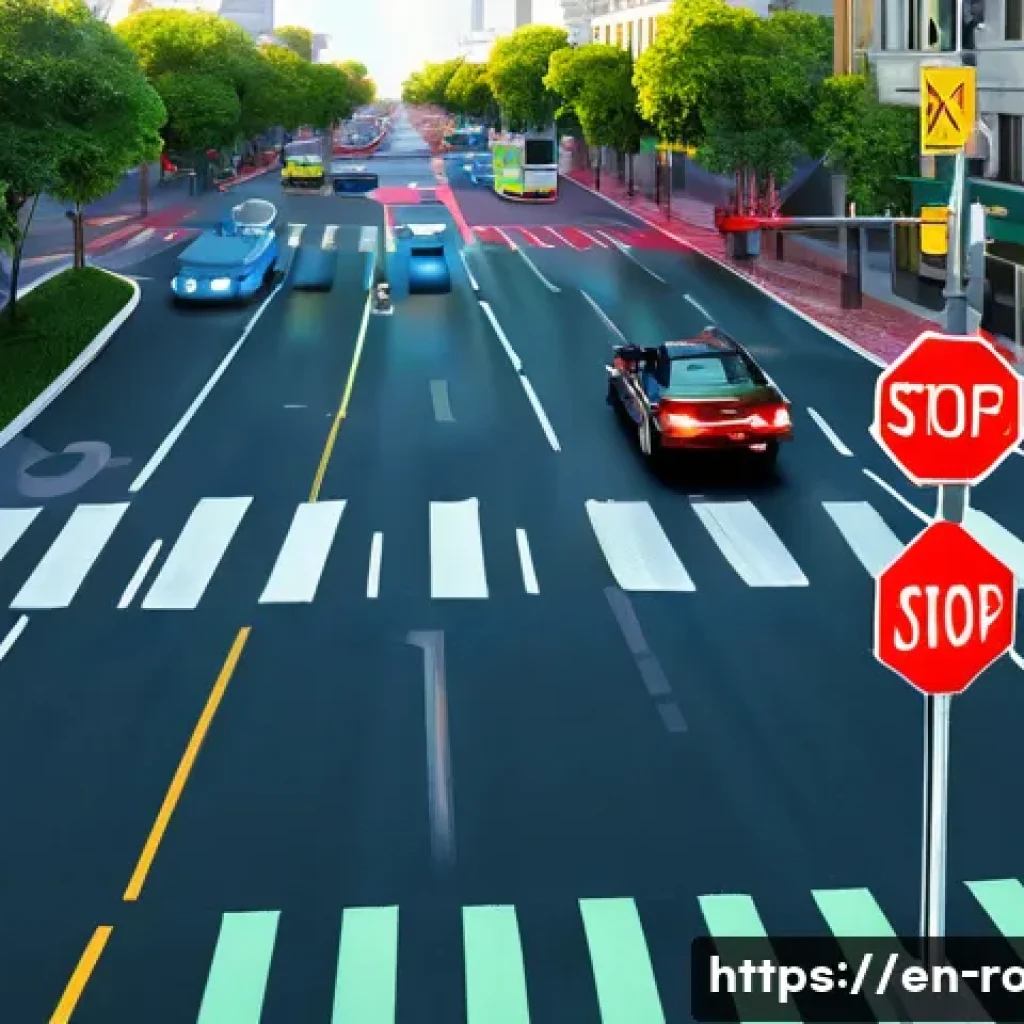
Preparing for the road traffic safety written exam can feel overwhelming, especially with so many rules and regulations to remember. Yet, mastering this test is crucial for anyone aiming to become a certified road traffic official or simply improve their driving knowledge.
Over the years, I’ve noticed that understanding key topics and practicing with sample questions truly makes a difference. The latest updates in traffic laws and safety measures also play a big role in shaping the exam content.
Whether you’re a first-timer or retaking the test, getting familiar with the exam structure and common questions can boost your confidence tremendously.
Let’s dive deeper and explore what you need to know to ace this important test!
Understanding Traffic Signs and Their Meanings
Recognizing Regulatory Signs
Regulatory signs are the backbone of traffic control, dictating what drivers must or must not do on the road. From stop signs to speed limits, these signs are legally enforceable and ignoring them can lead to serious penalties.
When preparing for the exam, I found that categorizing signs by shape and color helped me retain their meanings more effectively. For example, octagonal red signs universally mean “stop,” while circular signs often indicate railroad crossings.
Knowing these details not only prepares you for the test but also enhances your on-road safety awareness. It’s a good idea to quiz yourself regularly with flashcards or apps that simulate real-life driving scenarios involving these signs.
Warning Signs and Their Importance
Warning signs are designed to alert drivers of potential hazards ahead, such as sharp curves, pedestrian crossings, or merging lanes. Unlike regulatory signs, these are usually yellow and diamond-shaped, serving as cautionary notices.
During my study sessions, I realized that understanding the context behind each warning sign was crucial. For instance, a sign warning of slippery roads becomes especially important during rainy or icy conditions.
The exam often tests your ability to interpret these signs quickly and correctly, so practicing with real-life examples or driving simulators can be a huge help in mastering this section.
Guide Signs for Navigation
Guide signs provide essential information about directions, distances, and locations. These are typically rectangular and green, blue, or brown. Green signs usually indicate highway exits or directions, blue signs point to services like gas stations or hospitals, and brown signs highlight recreational or cultural points of interest.
Learning these distinctions helped me not only in the exam but also in practical driving. I recommend paying attention to these signs during your daily drives to get familiar with their purpose and appearance.
The ability to quickly interpret guide signs can improve your navigation skills and reduce driving stress.
Mastering Right-of-Way Rules
Basic Right-of-Way Principles
Right-of-way rules can seem complicated at first, but they are fundamental for preventing accidents and maintaining smooth traffic flow. The exam frequently tests scenarios involving intersections, pedestrian crossings, and emergency vehicles.
From my experience, memorizing the hierarchy of right-of-way—such as yielding to pedestrians, emergency vehicles, and vehicles already in the intersection—was essential.
Visualizing these scenarios while studying helped me understand who should proceed first, which is often tricky during multi-lane or four-way stops.
Special Situations and Exceptions
Certain situations, like roundabouts or uncontrolled intersections, have unique right-of-way rules that often trip up test-takers. For example, vehicles already circulating in a roundabout generally have priority over entering cars.
I found that practicing these special cases using diagrams or interactive quizzes made it easier to recall during the exam. Remember, the goal is not just to memorize but to truly understand how these rules apply in real-world driving conditions.
This approach also builds your confidence behind the wheel.
Emergency Vehicles and Pedestrian Priority
One critical right-of-way rule involves yielding to emergency vehicles such as ambulances, fire trucks, and police cars. The exam will ask how to respond when you hear sirens or see flashing lights.
In my preparation, I learned that safely pulling over to the side of the road is the correct action, and failing to do so can have severe legal consequences.
Similarly, pedestrians always have the right-of-way at crosswalks, and ignoring this can result in dangerous situations. Practicing these rules through role-play or driving with an instructor helped solidify my understanding.
Speed Limits and Safe Driving Practices
Understanding Speed Limits by Area
Speed limits vary depending on the type of road and surrounding environment, and the exam tests your knowledge of these distinctions extensively. For instance, residential areas usually have lower limits to protect pedestrians, while highways allow higher speeds.
What helped me was creating mental maps of speed zones based on common road types. Additionally, keeping updated on recent changes in speed regulations is crucial, as local laws may evolve.
Knowing when and why speed limits change sharpens your judgment and prepares you for questions that go beyond rote memorization.
Adjusting Speed for Conditions
The exam also emphasizes the importance of adjusting your speed based on weather, traffic, and visibility. Even if the speed limit is high, driving too fast in rain, fog, or heavy traffic is unsafe and often illegal.
I personally practiced visualizing different weather scenarios and how I would adjust my speed accordingly. This kind of applied knowledge was invaluable during the test and in real driving situations.
Understanding that speed limits represent maximum speeds, not always safe speeds, can greatly enhance your driving safety.
Consequences of Speeding
Speeding is a leading cause of accidents and is heavily penalized under traffic laws. The exam often includes questions about fines, points on the driver’s license, and potential legal consequences.
I found it helpful to memorize the penalties associated with different speeding violations in my region, as this knowledge adds an extra layer of seriousness to the practice.
It’s not just about passing the test; internalizing these consequences helps build a responsible mindset toward safe driving.
Essential Vehicle Operation and Safety Checks
Pre-Drive Vehicle Inspection
A thorough vehicle inspection before driving is a key part of road safety and a common topic on the exam. This includes checking tire pressure, brake functionality, lights, and mirrors.
When I prepared for the test, I made a checklist to ensure I wouldn’t forget any part during practical driving or theoretical questions. Regular inspections prevent breakdowns and accidents, and being able to demonstrate this knowledge shows examiners your commitment to safety.
Using Safety Equipment Properly
Proper use of seat belts, child safety seats, and airbags is critical for protecting occupants in case of a crash. The exam tests your understanding of when and how to use these safety devices.

I recall learning that children must be in appropriate car seats based on their age and size, which is a detail often overlooked by new drivers. Familiarizing yourself with these regulations and the rationale behind them will not only help you pass the test but also keep you and your passengers safer.
Handling Vehicle Emergencies
Knowing what to do in vehicle emergencies like tire blowouts, brake failure, or engine overheating is an important part of the written exam. During my study, I reviewed step-by-step procedures and watched demonstration videos to better grasp these concepts.
For example, in case of a tire blowout, maintaining control and gradually slowing down is crucial. Understanding these responses reduces panic and helps you act decisively when real emergencies arise.
Rules for Intersections and Lane Usage
Navigating Intersections Safely
Intersections are hotspots for accidents, so the exam tests your knowledge on how to approach and cross them safely. This includes understanding traffic signals, pedestrian crossings, and yielding rules.
I found that practicing with diagrams showing different intersection types—such as four-way stops, signalized, and uncontrolled intersections—helped me visualize the right actions.
Knowing when to proceed, yield, or stop is vital and is a frequent exam subject.
Proper Lane Usage and Changing Lanes
Correct lane discipline is essential for smooth traffic flow and safety. The exam often includes questions about when and how to change lanes safely, use turn signals, and merge onto highways.
During my preparation, I practiced signaling and checking mirrors as part of a routine. This ingrained habit not only helps with the test but also in everyday driving.
Remember, abrupt lane changes or failing to signal can cause accidents and lead to legal trouble.
Understanding Passing and Overtaking Rules
Passing other vehicles is another critical area covered in the exam. It’s important to know when passing is allowed or prohibited, such as no-passing zones marked by solid lines or in areas with poor visibility.
I learned that patience and timing are key; waiting for a clear stretch of road before overtaking can prevent dangerous situations. The exam tests your ability to recognize safe passing opportunities and apply the rules accordingly.
Common Penalties and Legal Responsibilities
Traffic Violations and Their Penalties
The written exam covers a wide range of traffic violations from minor infractions to serious offenses. Understanding the consequences of actions like running red lights, illegal U-turns, and driving under the influence is critical.
I found that reviewing the penalty structure for these violations—such as fines, license points, and possible suspension—helped me appreciate the importance of compliance.
This knowledge also prepares you for questions that test legal responsibility and ethics.
Driver’s Legal Obligations
Drivers have legal responsibilities beyond just following traffic signals, including carrying valid documentation, reporting accidents, and complying with law enforcement requests.
The exam often asks about these duties to ensure drivers are aware of their broader role in road safety. During my study, I paid special attention to these legal aspects, as they often reflect real-world situations where knowledge can prevent complications.
Knowing your rights and obligations makes you a more confident and law-abiding driver.
Impact of Traffic Violations on Insurance
Traffic violations can significantly affect your insurance premiums and eligibility. The exam may test your understanding of how infractions translate into insurance consequences.
I personally found it eye-opening to learn that even minor violations can increase costs or lead to policy cancellations. This awareness encourages safer driving habits and helps you understand the financial impact of your actions on the road.
Summary Table of Key Exam Topics
| Topic | Key Points | Tips for Exam |
|---|---|---|
| Traffic Signs | Regulatory, Warning, Guide signs with shapes/colors | Use flashcards and real-life observation to memorize |
| Right-of-Way | Hierarchy rules, special cases like roundabouts | Visualize scenarios and practice with quizzes |
| Speed Limits | Varies by area; adjust for conditions | Memorize limits and practice judgment calls |
| Vehicle Safety | Pre-drive checks, safety equipment, emergencies | Make checklists and watch demonstration videos |
| Intersections & Lanes | Signal rules, lane changes, passing rules | Practice with diagrams and real driving |
| Penalties & Legalities | Violations, legal duties, insurance impact | Review laws and consequences thoroughly |
Conclusion
Mastering traffic rules and signs is essential not only for passing your driving exam but also for becoming a confident and responsible driver. With consistent practice and real-world observation, these concepts will become second nature. Remember, safe driving is a lifelong commitment that benefits everyone on the road. Stay focused, stay alert, and keep learning as you gain experience behind the wheel.
Useful Information to Remember
1. Regularly test yourself on traffic signs using apps or flashcards to reinforce recognition and meaning.
2. Visualize different driving scenarios, especially right-of-way and emergency situations, to improve quick decision-making.
3. Always adjust your speed according to road conditions, not just posted limits, for safer driving.
4. Perform thorough vehicle safety checks before driving to prevent unexpected issues and ensure compliance.
5. Understand the legal consequences of traffic violations to foster responsible driving habits and protect your insurance status.
Key Takeaways
Understanding the variety and purpose of traffic signs, mastering right-of-way rules, and practicing safe speed management form the foundation of road safety and exam success. Equally important are regular vehicle inspections and knowing how to respond to emergencies. Developing good lane discipline and intersection navigation skills further enhances your driving competence. Finally, being aware of legal responsibilities and penalties encourages a mindset focused on safety and accountability. Consistent study combined with practical experience is the best strategy to excel both on the test and on the road.
Frequently Asked Questions (FAQ) 📖
Q: What are the most important topics to focus on when preparing for the road traffic safety written exam?
A: From my experience, the key topics that consistently appear on the exam include traffic signs and signals, right-of-way rules, speed limits, and safe driving practices under different weather conditions.
It’s crucial to understand how to interpret road signs quickly, know when to yield or stop, and be aware of the latest changes in local traffic laws. Focusing on these areas not only helps you answer questions correctly but also builds practical knowledge for real-world driving.
Q: How can I best use practice questions to improve my chances of passing the exam?
A: Practicing with sample questions is a game-changer because it familiarizes you with the exam format and the way questions are phrased. I found that timed practice tests simulate the pressure of the actual exam, helping me manage my time better.
Additionally, reviewing explanations for both correct and incorrect answers deepened my understanding. Make sure to revisit topics you struggle with and use varied question banks to cover all possible angles.
Q: Are there any recent updates in traffic laws or safety measures that I should be aware of before taking the exam?
A: Absolutely. Traffic laws evolve regularly to enhance road safety, so staying updated is essential. For instance, many regions have introduced stricter regulations on distracted driving, increased penalties for DUI offenses, and new rules regarding electric scooters or bicycles on the road.
Checking your local DMV or official traffic safety websites a few weeks before the test ensures you’re studying the most current information, which can make a significant difference on exam day.