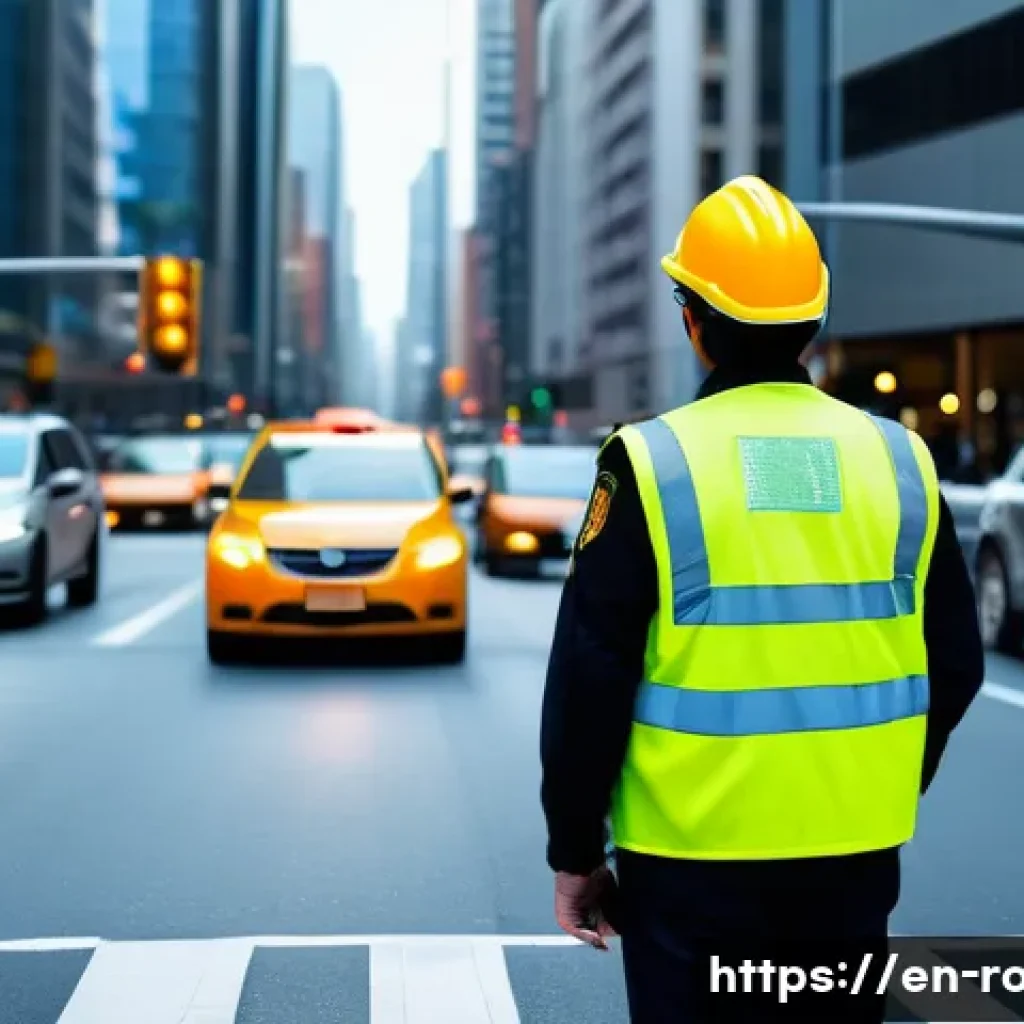
Understanding the roles and responsibilities in road traffic operations is essential for ensuring safety and efficiency on our streets. From managing traffic flow to enforcing regulations, professionals in this field play a vital part in reducing accidents and improving transportation systems.
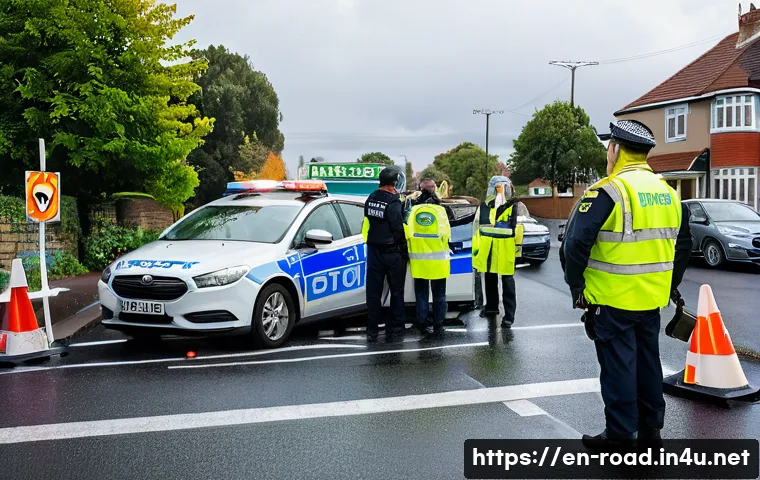
With evolving technology and increasing urbanization, the demand for skilled road traffic officers continues to grow. Exploring the practical aspects of their daily tasks reveals how critical their work is to public safety.
Let’s dive deeper and uncover the key insights about this profession. I’ll walk you through the details so you can get a clear picture!
Core Functions of Road Traffic Officers
Managing Traffic Flow Effectively
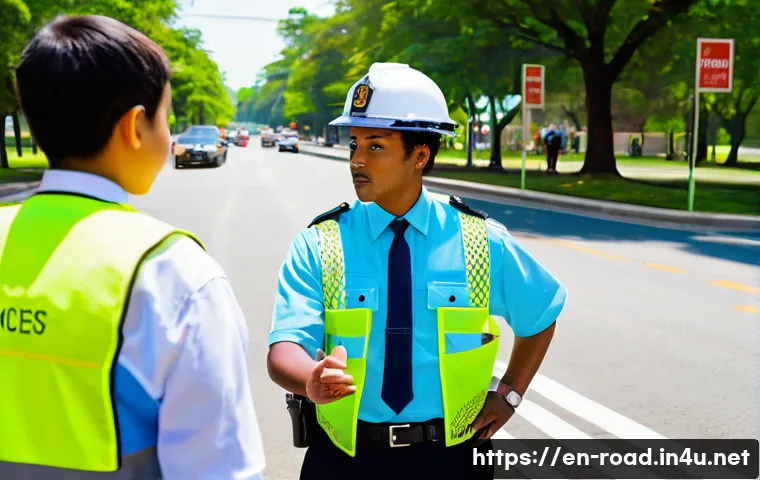
One of the most visible roles of road traffic officers is managing the movement of vehicles and pedestrians to prevent congestion and ensure smooth travel.
From directing cars at busy intersections to controlling traffic during events or roadworks, these professionals constantly assess real-time conditions.
Based on their observations, they make quick decisions to reroute vehicles or adjust traffic signals. In my experience observing traffic control during rush hour, the ability to anticipate bottlenecks and act swiftly is what keeps the streets moving and reduces driver frustration.
This role requires sharp situational awareness and excellent communication skills to coordinate with other officers and traffic management centers.
Enforcement of Traffic Laws and Regulations
Road traffic officers are responsible for enforcing a wide range of traffic laws, from speed limits to seatbelt usage and impaired driving checks. Their presence alone acts as a deterrent against reckless driving, but they also conduct regular patrols, set up checkpoints, and respond to violations.
I’ve noticed that officers often balance firmness with approachability, making it easier for drivers to accept citations or warnings without escalating tensions.
This enforcement not only promotes compliance but also educates the public about safe driving practices, which ultimately contributes to fewer accidents and safer roads.
Responding to Traffic Incidents and Emergencies
When accidents or unexpected incidents occur, road traffic officers are typically among the first on the scene. They coordinate emergency responses, manage traffic diversions, and provide support to medical and rescue teams.
I recall witnessing an officer calmly directing traffic around a multi-car collision while simultaneously helping to gather witness statements. Their quick actions reduce secondary accidents and help clear the scene efficiently, which is critical in minimizing delays and ensuring public safety.
This responsibility demands resilience and the ability to stay composed under pressure.
Skills and Competencies Essential for Traffic Officers
Strong Communication and Interpersonal Skills
Communicating clearly with drivers, pedestrians, and fellow officers is at the heart of effective traffic management. Officers often use hand signals, radios, and verbal instructions to guide traffic and manage incidents.
From personal experience, those who excel in this role are patient and empathetic, understanding the stress drivers might be under during heavy traffic or after a violation.
This skill helps to de-escalate tense situations and fosters respect between officers and the public.
Technical Proficiency with Traffic Control Equipment
Modern traffic officers rely on various tools such as portable traffic lights, speed detection devices, and communication gadgets. Familiarity with these technologies ensures accurate enforcement and efficient traffic handling.
I’ve seen officers troubleshoot equipment malfunctions on the spot, which highlights the importance of technical know-how. As cities adopt smarter traffic management systems, officers must continually update their skills to keep pace with innovations.
Physical and Mental Stamina
The job often involves standing for long hours outdoors in all weather conditions, which requires considerable physical endurance. Moreover, mental stamina is crucial for staying alert and making quick decisions during high-pressure situations.
From conversations with officers, I’ve learned that maintaining a healthy lifestyle and stress management techniques are essential to sustain performance on the job.
Collaboration with Other Agencies and Stakeholders
Working with Emergency Services
Road traffic officers frequently collaborate with police, fire departments, and medical responders to handle accidents and emergencies efficiently. This teamwork ensures rapid assistance to victims and smooth management of the affected area.
I’ve observed that seamless communication between these groups significantly reduces response times and enhances overall safety.
Coordination with Urban Planning and Transport Authorities
Beyond immediate traffic control, officers provide valuable insights to city planners and transport departments by reporting recurring issues or dangerous spots.
This collaboration helps design better traffic systems and infrastructure improvements. My conversations with traffic officers revealed that their on-the-ground experience is crucial for crafting policies that truly address urban mobility challenges.
Community Engagement and Public Education
Engaging with the community through workshops, school visits, and awareness campaigns helps build trust and promotes safer driving habits. Officers often serve as educators, explaining the importance of traffic rules and encouraging responsible behavior.
I’ve attended local safety events where officers shared real-life stories to connect with residents, making the lessons more impactful and relatable.
Technology’s Impact on Traffic Management
Introduction of Smart Traffic Systems
The integration of AI and IoT in traffic management is revolutionizing how officers operate. Smart traffic lights adapt to real-time conditions, and automated cameras assist with enforcement.
While these technologies reduce manual workload, officers still play a vital role in oversight and intervention when systems fail or unusual situations arise.
From what I’ve seen, officers who embrace technology enhance their effectiveness and contribute to smoother traffic operations.
Use of Data Analytics for Traffic Planning
Data collected from sensors and cameras allows for detailed analysis of traffic patterns, accident hotspots, and peak congestion times. Officers and planners use this data to make informed decisions about resource deployment and infrastructure upgrades.
I’ve reviewed reports where data-driven strategies led to significant reductions in traffic delays and accidents, demonstrating the power of combining human expertise with analytics.
Challenges of Cybersecurity and Privacy
As traffic management becomes more digital, protecting sensitive data and systems from cyber threats is increasingly important. Officers must be aware of these risks and follow protocols to safeguard information.
This aspect adds a new layer of responsibility beyond traditional duties, requiring ongoing training and vigilance.
Training and Career Development Pathways
Initial Training and Certification
Becoming a road traffic officer usually involves completing a formal training program covering traffic laws, safety procedures, communication skills, and physical fitness.
I’ve talked to several officers who emphasized how foundational this training builds confidence and competence before they hit the streets. Certification often requires passing exams and practical assessments to ensure readiness.
Continuous Professional Development
Due to evolving regulations and technologies, officers must engage in ongoing education. Workshops, refresher courses, and technology updates keep skills sharp and knowledge current.
Personally, I’ve noted how officers who actively pursue professional development tend to advance faster and handle complex situations more effectively.
Opportunities for Specialization and Advancement
Experienced officers can specialize in areas like accident investigation, traffic engineering, or public relations. Leadership roles in traffic management units or coordination centers offer career growth.
From hearing about career paths firsthand, I understand that specialization enhances job satisfaction and opens doors to influential positions within law enforcement and urban planning sectors.
Common Challenges Faced in Traffic Operations
Dealing with Non-Compliance and Aggression
Officers often encounter drivers who disregard rules or respond with hostility. Managing these encounters requires patience, clear communication, and sometimes conflict resolution skills.
I’ve witnessed situations where calm and respectful approaches diffused potentially volatile incidents, highlighting the importance of emotional intelligence.
Handling Extreme Weather and Environmental Conditions
Traffic officers work outdoors in rain, snow, extreme heat, and other challenging conditions. These factors not only affect their comfort but also complicate traffic control efforts.
I recall an officer describing how heavy snowfall demanded quick adjustments in traffic management to prevent accidents, underscoring the unpredictable nature of the job.
Balancing High Workload and Stress Levels
Periods of heavy traffic, accidents, and public events can lead to long shifts and intense pressure. Maintaining focus and decision-making abilities during these times is critical.
Officers often rely on teamwork and support systems to cope, as shared experiences help alleviate stress and promote resilience.
Essential Tools and Equipment Utilized Daily
Traffic Control Devices
Road traffic officers use various equipment such as handheld stop signs, portable traffic signals, cones, and barriers to manage flow and secure accident scenes.
These tools are crucial for directing vehicles safely and efficiently. From observing their setup routines, I noticed that proper placement and timing are key to preventing confusion and maintaining order.
Communication and Surveillance Technology
Radios, mobile data terminals, and body cameras enable real-time communication and documentation. These devices enhance coordination among officers and provide evidence for enforcement actions.
I’ve seen how effective communication equipment can make the difference between a smooth operation and chaotic traffic situations.
Safety Gear and Personal Protective Equipment
Visibility vests, helmets, and gloves protect officers working in hazardous environments. Ensuring personal safety is fundamental, especially when working near fast-moving vehicles.
Talking to officers, it’s clear that feeling secure allows them to focus fully on their duties without distraction.
| Role Aspect | Key Responsibilities | Required Skills | Typical Tools |
|---|---|---|---|
| Traffic Flow Management | Directing vehicles, adjusting signals, rerouting traffic | Situational awareness, quick decision-making, communication | Hand signals, traffic cones, portable lights |
| Law Enforcement | Patrolling, issuing citations, conducting checkpoints | Knowledge of laws, interpersonal skills, assertiveness | Speed detectors, radios, body cameras |
| Incident Response | Securing accident scenes, coordinating emergency services | Calmness under pressure, teamwork, problem-solving | Barriers, communication devices, first-aid kits |
| Technology Use | Operating smart systems, data analysis, equipment troubleshooting | Technical proficiency, adaptability, continuous learning | Traffic management software, sensors, mobile terminals |
| Community Interaction | Education, public engagement, collaboration with agencies | Communication, empathy, public speaking | Presentation materials, educational brochures |
In Conclusion
Road traffic officers play a vital role in ensuring our streets remain safe and efficient. Their diverse responsibilities—from managing traffic flow to enforcing laws and responding to emergencies—require a unique blend of skills and resilience. Through collaboration and the use of advancing technology, these professionals continuously adapt to meet the challenges of modern urban mobility. Recognizing their efforts helps us appreciate the complexity behind everyday traffic management.
Useful Information to Remember
1. Effective traffic management relies heavily on officers’ quick decision-making and clear communication to reduce congestion and prevent accidents.
2. Enforcement of traffic laws not only deters dangerous behaviors but also educates the public on safe driving practices.
3. Collaboration between traffic officers and emergency services ensures timely responses and enhances overall safety during incidents.
4. Embracing technological advancements like smart traffic systems and data analytics improves traffic flow and planning.
5. Continuous training and specialization opportunities help officers stay prepared and advance in their careers.
Key Takeaways
Traffic officers must combine technical skills, physical endurance, and emotional intelligence to manage complex and high-pressure situations effectively. Their work depends on seamless teamwork, both within their units and with external agencies. Staying updated with new technologies and maintaining strong community relationships are essential for long-term success in traffic management. Ultimately, their role is crucial in creating safer roads and a more organized urban environment for everyone.
Frequently Asked Questions (FAQ) 📖
Q: What are the main responsibilities of road traffic officers in daily operations?
A: Road traffic officers are primarily responsible for managing traffic flow to prevent congestion, enforcing traffic laws to ensure safety, and responding promptly to accidents or emergencies.
They often coordinate with emergency services, conduct roadside checks for compliance, and provide assistance to pedestrians and drivers. From my experience, their role requires sharp observation skills and quick decision-making to keep streets safe and moving smoothly.
Q: How has technology impacted the work of road traffic professionals?
A: Technology has transformed road traffic operations significantly. Tools like real-time traffic monitoring systems, automated traffic signals, and dash cams help officers detect issues faster and make informed decisions.
Personally, I’ve seen how integrating AI-powered cameras and data analytics allows for better prediction of traffic patterns, which reduces accidents and improves efficiency.
However, officers still need to apply their judgment and experience alongside these tools to handle complex situations effectively.
Q: Why is the role of road traffic officers becoming more critical with urbanization?
A: As cities grow denser, traffic volumes increase, leading to more potential conflicts and safety risks. Road traffic officers play a crucial role in managing this complexity by ensuring rules are followed and hazards are minimized.
I’ve noticed that without their presence, traffic chaos can escalate quickly, causing delays and accidents. Their work not only protects lives but also supports the smooth functioning of urban transportation systems, which is vital for economic activity and quality of life.