Navigating the practical world of road traffic engineering reveals a fascinating blend of challenges and opportunities. On one hand, the field offers a chance to directly impact public safety and urban mobility, shaping the way communities move and thrive.
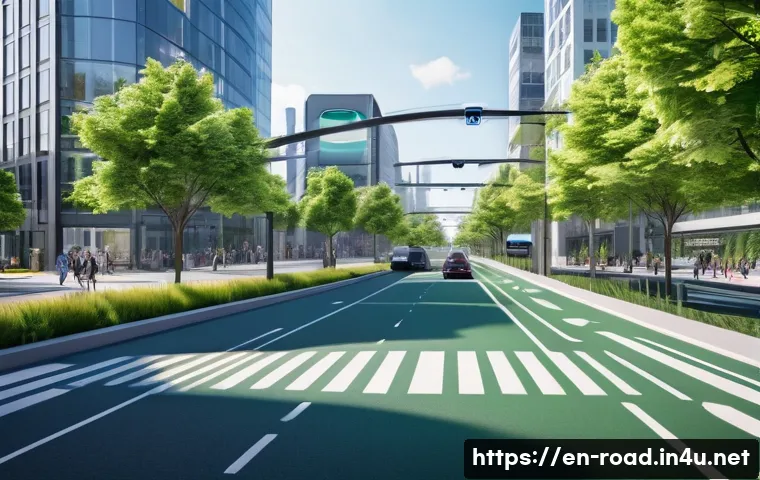
Yet, it also demands constant adaptation to evolving technologies and regulatory landscapes, which can be both exciting and overwhelming. From managing traffic flow to implementing smart infrastructure, the role requires a balance of technical expertise and real-world problem-solving skills.
Curious about how these pros and cons play out in everyday practice? Let’s dive in and explore the details together!
Balancing Safety and Efficiency on the Road
Integrating Safety Measures Without Sacrificing Flow
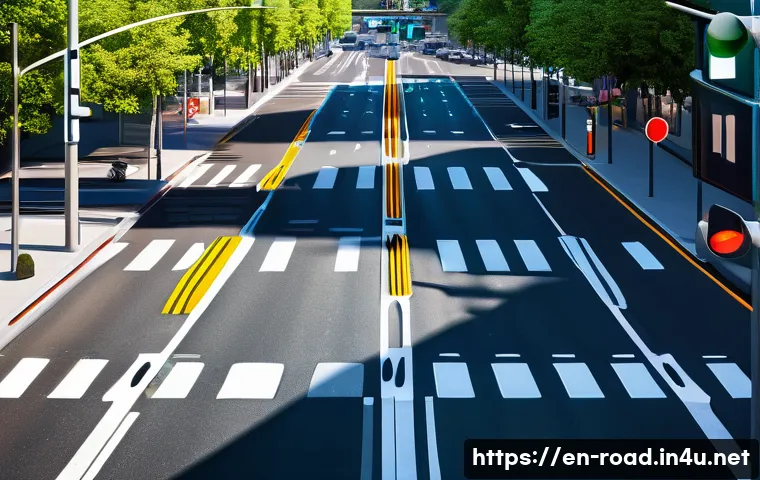
In my experience working on traffic projects, one of the toughest but most rewarding challenges is designing systems that keep people safe without creating bottlenecks.
It’s a constant juggle between adding features like pedestrian crossings, speed calming devices, or signal timing adjustments, and maintaining smooth vehicle movement.
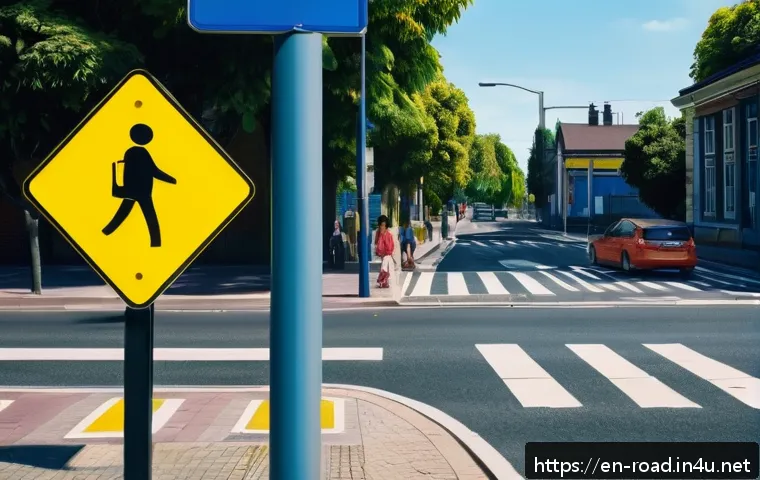
For example, I once helped redesign a busy urban intersection where crashes were frequent. Introducing a dedicated pedestrian phase improved safety dramatically, but it also required fine-tuning signal cycles to avoid excessive delays during rush hour.
The key is finding that sweet spot where safety enhancements don’t frustrate drivers or cause congestion, which often takes multiple iterations and real-world testing.
Responding to Real-Time Traffic Conditions
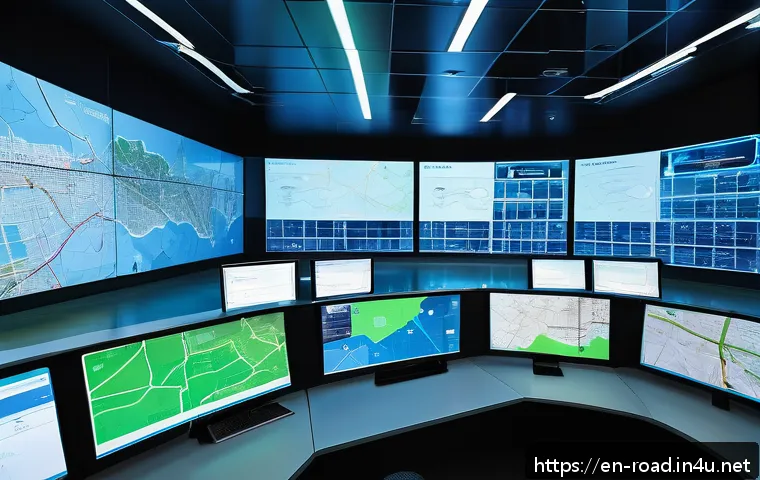
Adaptive traffic management systems have been a game changer in managing flow dynamically. Using sensors and AI algorithms, traffic signals now adjust in real time to changing volumes and incidents.
From my hands-on work, these systems can reduce wait times and emissions significantly. However, they also introduce complexities—such as the need for continuous monitoring and troubleshooting.
If the system misreads data or malfunctions, it can lead to confusion and backups, which is why a blend of automated tools and human oversight works best.
The experience taught me that technology alone isn’t a silver bullet; successful traffic flow depends on well-trained operators ready to intervene when necessary.
Keeping Pace with Emerging Technologies
Smart Infrastructure and Its Growing Role
The rise of smart infrastructure fascinates me because it transforms traditional roadways into interactive networks. Incorporating elements like connected traffic lights, vehicle-to-infrastructure communication, and real-time data analytics opens new possibilities for smoother and safer travel.
When I first got involved with a pilot smart corridor project, I saw firsthand how these technologies could anticipate congestion and reroute traffic proactively.
That said, deployment is far from plug-and-play. Challenges include high initial costs, data privacy concerns, and the need for seamless integration with legacy systems.
It’s a steep learning curve but incredibly exciting to be part of the evolution.
Adapting to Autonomous and Electric Vehicles
The increasing presence of autonomous and electric vehicles introduces both opportunities and headaches. On one hand, these vehicles promise reduced accidents and lower emissions, which aligns perfectly with sustainable transportation goals.
On the other, their unique operational characteristics require new traffic rules, updated infrastructure like charging stations, and public education efforts.
I’ve been involved in workshops where we brainstormed redesigning intersections to accommodate autonomous vehicles’ sensor systems and reaction times.
It’s a forward-thinking process that demands foresight and flexibility since regulations and technology are still evolving rapidly.
Regulatory Landscape and Policy Challenges
Navigating Complex Compliance Requirements
Traffic engineering doesn’t happen in a vacuum; every plan and project must align with local, state, and federal regulations. These rules can be quite complex and sometimes conflicting, which I’ve found frustrating but necessary to master.
For example, accessibility standards, environmental impact assessments, and traffic safety mandates all intersect when designing new road features. Staying updated requires constant learning and collaboration with legal and policy experts.
The upside is that these regulations often push us toward safer and more equitable solutions, even if the paperwork and approvals slow down progress.
Influencing Policy Through Data and Advocacy
One of the more rewarding aspects of the job is using data-driven insights to advocate for policy changes. I recall a project where crash statistics and traffic simulation models convinced city officials to implement lower speed limits in residential areas.
These changes weren’t popular initially, but the evidence helped sway public opinion. It taught me that engineers don’t just build infrastructure—they can shape policies that influence driver behavior and urban planning.
Having solid data and clear communication skills is critical to turning technical findings into actionable policies.
Community Engagement and Public Perception
Building Trust Through Transparent Communication
Working with communities is often overlooked but essential in traffic engineering. From my experience, engaging residents early and openly can make or break a project.
People want to know how changes will impact their daily lives—whether it’s a new bike lane, parking restrictions, or signal timing. I’ve seen projects stall because of poor communication or lack of involvement.
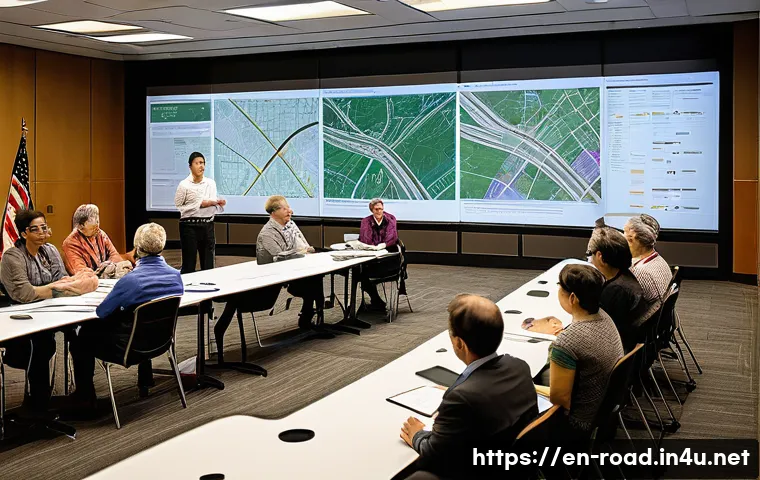
Conversely, when public meetings are well-organized and feedback is genuinely considered, communities feel valued and cooperation improves. This human element adds complexity but also enriches the process by incorporating diverse perspectives.
Handling Resistance and Misconceptions
Resistance to change is natural, especially when it affects something as personal as daily travel. I remember a neighborhood fiercely opposing a traffic calming plan due to fears it would worsen congestion.
By organizing small group discussions and sharing pilot study results, we gradually eased concerns and gained support. The takeaway is that patience and empathy are as important as technical know-how.
Understanding why people resist and addressing their worries honestly can transform opposition into partnership.
Skill Sets Beyond Engineering
The Importance of Interdisciplinary Knowledge
Traffic engineering today demands more than just technical prowess; it calls for skills in data analysis, urban planning, environmental science, and even psychology.
In my career, those who thrive are the ones eager to learn across disciplines. For instance, understanding human behavior helps in designing effective signage and signals, while knowledge of environmental impacts ensures sustainable solutions.
This broad skill set makes the job richer but also requires continuous education and curiosity.
Project Management and Collaboration
Managing traffic projects involves coordinating multiple stakeholders—contractors, government agencies, community groups, and consultants. I’ve found that strong project management skills, including budgeting, scheduling, and conflict resolution, are vital.
One memorable project was delayed due to miscommunication between the design team and construction crew. From that, I learned the value of clear roles, regular updates, and flexibility.
Collaboration isn’t always smooth, but it’s what ultimately delivers successful outcomes.
Economic and Environmental Considerations
Balancing Cost with Long-Term Benefits
Budget constraints are a daily reality. Deciding between cheaper, short-term fixes and more expensive, sustainable solutions can be tricky. I’ve witnessed projects where investing in durable materials and smart technology upfront saved money in the long run by reducing maintenance and improving traffic flow.
However, convincing stakeholders to prioritize long-term gains over immediate savings often requires presenting compelling data and case studies. The financial aspect demands strategic thinking and sometimes creative funding approaches.
Reducing Environmental Footprints of Road Networks
Traffic engineering plays a critical role in mitigating transportation’s environmental impact. Designing routes that minimize emissions, incorporating green spaces, and encouraging alternative modes like biking or walking are all part of the equation.
I recall working on a corridor redesign that included dedicated bike lanes and improved pedestrian crossings, which led to noticeable increases in non-motorized travel.
These efforts contribute to healthier urban environments, though measuring their impact can be complex and requires ongoing monitoring.
| Aspect | Challenge | Opportunity | Example from Practice |
|---|---|---|---|
| Safety vs. Flow | Balancing pedestrian safety without causing congestion | Improved signal timing and dedicated pedestrian phases | Urban intersection redesign reducing crashes and delays |
| Technology Integration | Complexity and maintenance of adaptive systems | Real-time traffic adjustments reducing delays | AI-driven signal control with operator oversight |
| Regulatory Compliance | Conflicting rules and lengthy approvals | Policy-driven safer, equitable infrastructure | Lower residential speed limits through data advocacy |
| Community Engagement | Resistance due to perceived inconvenience | Building trust through transparent communication | Neighborhood meetings easing traffic calming concerns |
| Environmental Impact | Balancing cost with sustainable design | Encouraging alternative transport modes | Corridor redesign including bike lanes and green spaces |
Conclusion
Balancing safety and efficiency on the road is a continuous journey that requires thoughtful design, technology integration, and community collaboration. Real-world experience shows that achieving this balance demands flexibility, patience, and a willingness to adapt to new challenges. As traffic systems evolve, staying informed and engaged with all stakeholders is key to creating safer, smoother travel for everyone.
Useful Information to Keep in Mind
1. Prioritize safety features like pedestrian phases but adjust signal timing carefully to prevent traffic delays.
2. Embrace adaptive traffic management technologies, but combine them with human oversight to handle unexpected issues.
3. Stay updated on regulations to ensure compliance while pushing for policies that enhance safety and equity.
4. Engage local communities early and transparently to build trust and reduce resistance to traffic changes.
5. Consider long-term environmental and economic impacts when choosing between quick fixes and sustainable infrastructure investments.
Key Takeaways
Successful traffic engineering hinges on balancing safety improvements with traffic flow efficiency. Integrating advanced technologies must be paired with human expertise to avoid system failures. Regulatory knowledge and advocacy play crucial roles in shaping effective policies. Transparent communication with communities transforms opposition into cooperation. Lastly, a multidisciplinary approach and strategic planning ensure projects deliver lasting benefits for both people and the environment.
Frequently Asked Questions (FAQ) 📖
Q: What are the biggest challenges faced by road traffic engineers in adapting to new technologies?
A: One of the toughest hurdles is keeping up with the rapid pace of technological advancements like smart sensors, autonomous vehicles, and AI-driven traffic management systems.
From my experience, integrating these innovations into existing infrastructure without causing disruption requires a lot of careful planning and coordination with multiple stakeholders.
Plus, there’s always the learning curve—staying updated demands continuous education and sometimes rethinking traditional methods. It can feel overwhelming, but the payoff is huge when these technologies improve traffic flow and safety.
Q: How does road traffic engineering directly impact public safety and urban mobility?
A: Road traffic engineers play a crucial role in designing and managing systems that reduce accidents and improve the efficiency of travel. For example, by optimizing signal timings, creating safer pedestrian crossings, or designing better road layouts, they help prevent collisions and ease congestion.
In cities I’ve worked in, small changes like adding bike lanes or improving signage made a noticeable difference in how people move around, making streets safer and more accessible for everyone, from drivers to cyclists and pedestrians.
Q: What skills are essential for succeeding in the field of road traffic engineering?
A: Beyond technical know-how in areas like traffic modeling and infrastructure design, strong problem-solving skills are key. You’ll need to think on your feet because real-world conditions often throw curveballs—like sudden construction or unexpected traffic surges.
Communication skills also matter a lot, since collaborating with city officials, contractors, and the public is part of the job. From what I’ve seen, being adaptable and open to learning new tools or regulations is what separates great engineers from the rest.