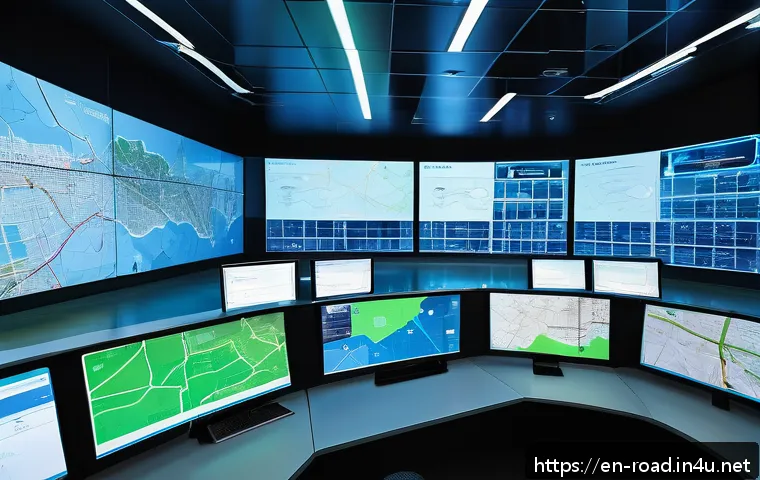
Navigating a career in road traffic management demands more than just technical know-how; it calls for strategic thinking, sharp decision-making, and adaptability to evolving regulations and technologies.
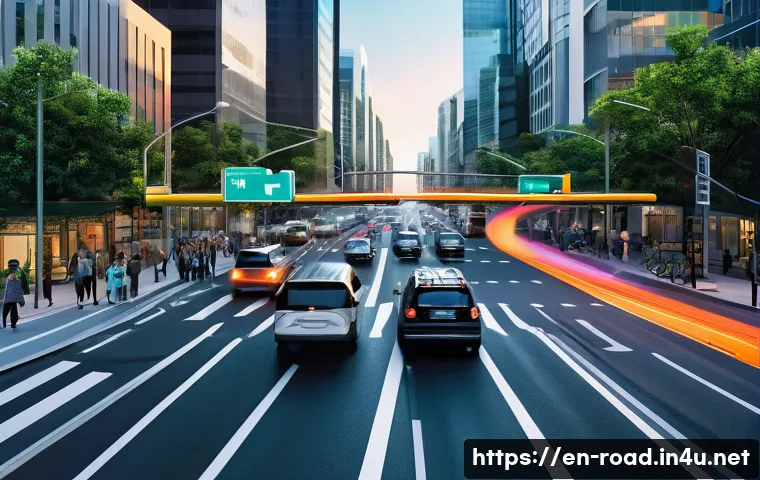
Whether you’re aiming to improve traffic safety, optimize flow, or implement smart infrastructure, understanding the key success factors can set you apart in this dynamic field.
Drawing from real-world challenges and industry insights, this guide unpacks practical strategies that help you excel and make a meaningful impact. Ready to take your road traffic career to the next level?
Let’s dive in and explore the essentials together!
Mastering Decision-Making Under Pressure
Understanding the Stakes in Traffic Scenarios
In road traffic management, every decision can ripple out with significant consequences—whether it’s adjusting signal timings during rush hour or reacting to unexpected incidents.
From my experience, realizing the gravity of these moments helps sharpen focus. You learn to prioritize actions that minimize risks and keep traffic flowing smoothly.
It’s not just about knowing what to do but understanding why it matters. For example, during a multi-vehicle accident, quick decisions about rerouting can prevent secondary crashes.
The stakes are high, and the pressure to act decisively is constant.
Balancing Data with Intuition
While traffic data analytics provide invaluable insights, relying solely on numbers can sometimes slow you down. I’ve found that blending data-driven strategies with intuition—developed through years on the road and in control rooms—makes all the difference.
For instance, when sensors show congestion but local knowledge indicates a quick clearing, trusting your gut can prevent unnecessary interventions. This balance between hard evidence and soft experience allows for more agile and effective management, especially during unpredictable conditions like sudden weather changes or public events.
Developing Crisis Management Skills
Crisis situations, such as severe accidents or infrastructure failures, demand calm and methodical responses. From what I’ve seen, the most successful traffic managers train rigorously for these moments.
They run simulations, create detailed contingency plans, and maintain clear communication lines with emergency services. Practicing these skills ensures that when chaos strikes, you’re not scrambling but executing a well-rehearsed playbook.
This preparation builds confidence and reduces errors that can exacerbate problems, ultimately saving lives and reducing congestion.
Leveraging Technology for Smarter Traffic Flow
Integrating Real-Time Monitoring Systems
The ability to see what’s happening on the roads in real-time is a game-changer. I’ve worked with traffic centers that utilize advanced cameras, sensors, and GPS data to monitor conditions instantaneously.
This tech lets you spot bottlenecks, accidents, or unusual behavior early on. The trick lies in interpreting the data quickly and deciding which interventions will have the greatest impact.
For example, adjusting traffic signals dynamically based on live congestion data can prevent gridlocks before they start. It’s like having a bird’s eye view of the entire network.
Implementing Adaptive Traffic Signals
Adaptive signal control technology is another tool that has transformed traffic management. Unlike fixed-timing signals, adaptive systems adjust in response to actual traffic volumes and patterns.
I recall a project where implementing this technology led to a 20% reduction in delays during peak hours. The system continuously analyzes flow and modifies light cycles to optimize throughput.
However, success depends on proper calibration and ongoing maintenance, so it’s not a “set it and forget it” solution. Staying engaged with the system’s feedback loop is essential to reap its full benefits.
Exploring Vehicle-to-Infrastructure Communication
Emerging V2I technology is opening new frontiers in traffic management. This communication between vehicles and traffic infrastructure allows for more precise coordination, such as adjusting speeds before intersections or alerting drivers to upcoming congestion.
While still in early stages, I’ve seen pilot programs showing promise in reducing accidents and smoothing flow. Embracing these innovations requires keeping pace with tech trends and collaborating with automotive and tech companies to integrate these systems effectively.
Building Strong Collaborative Networks
Partnering with Local Authorities and Emergency Services
Successful traffic management is rarely a solo effort. From my experience, building strong relationships with city planners, law enforcement, and emergency responders is critical.
These partnerships ensure swift coordination when incidents occur and help align traffic strategies with broader urban goals. For instance, collaborating with police during major events enables pre-planned traffic diversions that minimize disruption.
Regular joint training sessions and communication drills further solidify these connections, fostering trust and smoother operations under pressure.
Engaging with the Community
Community engagement often gets overlooked but is a powerful tool in traffic management. I’ve found that educating drivers and pedestrians about new traffic patterns or infrastructure changes reduces confusion and resistance.
Hosting forums, using social media updates, and providing clear signage are practical ways to keep the public informed. When people understand the reasons behind changes, they’re more likely to comply, which improves overall safety and flow.
Plus, gathering feedback helps identify local pain points that data alone might miss.
Collaborating Across Departments
Traffic management intersects with many municipal departments—public works, transportation planning, environmental agencies, and more. Effective collaboration across these groups ensures that traffic solutions are holistic rather than piecemeal.
For example, coordinating roadworks schedules with traffic signal timing prevents compounding delays. I’ve seen multi-department task forces deliver much better results because they share resources and knowledge openly, allowing for more innovative and comprehensive approaches.
Enhancing Skills Through Continuous Learning
Staying Current with Regulations and Standards
Regulations and standards in road traffic management evolve constantly, reflecting new safety research and technological advances. From personal experience, staying up to date is non-negotiable.
This means attending workshops, subscribing to industry journals, and engaging with professional associations. Ignoring these updates risks non-compliance and missed opportunities to implement cutting-edge solutions.
The more you know about emerging laws and guidelines, the better you can anticipate changes and adapt strategies proactively.
Investing in Professional Development
Beyond regulations, investing in broader professional development sharpens your overall effectiveness. I’ve pursued certifications in traffic engineering, project management, and data analytics, each opening new perspectives and skills.
This investment pays off by improving problem-solving abilities and expanding your toolkit for handling complex scenarios. Plus, certifications boost credibility when working with stakeholders or applying for leadership roles.
Lifelong learning signals commitment and keeps you competitive in a rapidly evolving field.
Learning from Field Experience
No amount of classroom knowledge can replace hands-on experience. On-the-ground work exposes you to the real nuances of traffic behavior and infrastructure challenges.
For example, responding to incidents firsthand reveals how human factors influence outcomes. I’ve learned that field experience also cultivates patience and resilience—qualities essential for managing the unpredictable nature of traffic systems.
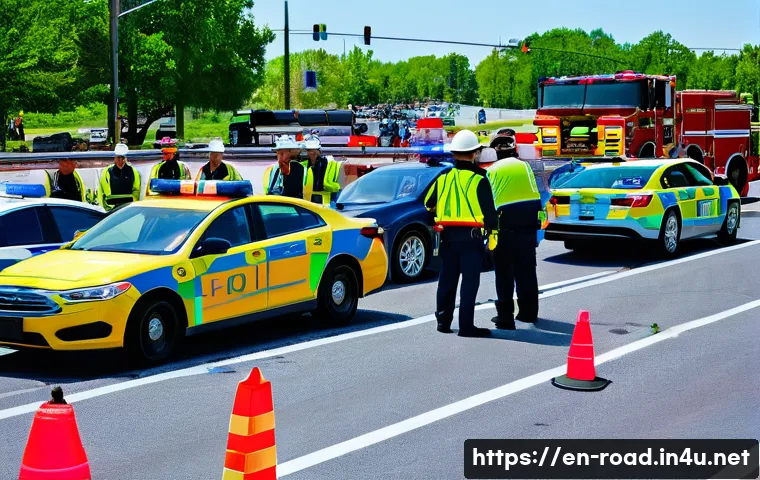
Reflecting on successes and failures from the field helps refine judgment and build confidence over time.
Communicating Effectively with Diverse Stakeholders
Crafting Clear and Actionable Reports
One of the trickiest parts of traffic management is translating complex data into understandable reports for decision-makers. I’ve found that using clear visuals, concise language, and highlighting key takeaways makes a huge difference.
For instance, instead of dumping raw data, summarizing trends and recommending specific actions helps leaders grasp priorities quickly. Effective reporting not only supports better decisions but also demonstrates professionalism and command of the subject.
Using Technology to Enhance Communication
Communication tools like dashboards, mobile apps, and real-time alerts improve coordination among teams and stakeholders. I’ve seen traffic centers implement integrated platforms that share live updates with field crews and city officials simultaneously, speeding up response times.
These technologies reduce misunderstandings and keep everyone aligned, especially during emergencies. Embracing modern communication methods keeps your operations agile and responsive.
Engaging in Public Outreach
Communicating with the public requires a different approach—empathy and clarity are key. From my experience, delivering messages that acknowledge frustrations while explaining benefits fosters goodwill.
Whether it’s about construction delays or new traffic rules, framing messages around how they improve safety or commute times resonates better. Using multiple channels like social media, local news, and community meetings ensures the message reaches a broad audience and builds trust.
Optimizing Traffic Systems with Data-Driven Insights
Collecting and Analyzing Traffic Data
Effective traffic management hinges on quality data. I’ve worked with systems that gather vehicle counts, speeds, and incident reports continuously. The challenge lies in filtering and analyzing this vast information to extract actionable insights.
For example, identifying recurring congestion points or peak accident times helps target interventions more precisely. Advanced analytics, like predictive modeling, can forecast trouble spots before they worsen, enabling preemptive measures.
Applying Data to Improve Traffic Safety
Data isn’t just for flow optimization—it’s crucial for safety enhancements too. By analyzing crash patterns, road managers can pinpoint hazardous intersections or behaviors that need addressing.
In one project I contributed to, data revealed that certain left turns caused disproportionate accidents, leading to redesigns that cut incidents significantly.
Data-driven safety improvements often involve infrastructure changes, signage updates, or enforcement campaigns tailored to identified risks.
Measuring and Reporting Performance Metrics
Tracking performance metrics regularly helps assess whether traffic management strategies are effective. I’ve found that metrics like average delay times, accident rates, and public satisfaction provide a comprehensive view.
Creating dashboards that visualize these metrics encourages continuous improvement and accountability. When results are transparent, it’s easier to justify investments or policy shifts and celebrate successes with stakeholders.
| Key Data Metrics | Description | Impact on Traffic Management |
|---|---|---|
| Vehicle Count | Number of vehicles passing a point within a time frame | Identifies congestion levels and peak traffic periods |
| Average Speed | Mean speed of vehicles on a given road segment | Helps detect slowdowns and optimize signal timings |
| Incident Reports | Records of accidents, breakdowns, or road hazards | Enables rapid response and safety interventions |
| Delay Time | Average time vehicles are delayed compared to free flow | Measures efficiency of traffic flow and system performance |
| Public Feedback | Input from commuters and residents on traffic conditions | Provides qualitative insights to complement quantitative data |
Adapting to Regulatory and Environmental Changes
Keeping Up with Legal Requirements
Traffic regulations evolve in response to safety research, environmental concerns, and technological advances. I’ve learned that staying informed about changes in laws related to speed limits, emissions, and infrastructure standards is essential.
For example, new legislation around autonomous vehicles requires traffic managers to rethink signal priorities and safety protocols. Ignoring these updates can result in non-compliance penalties and missed opportunities to enhance systems.
Incorporating Sustainability in Traffic Planning
With growing emphasis on environmental impact, integrating sustainability into traffic management has become critical. I’ve participated in initiatives promoting green transportation modes, such as prioritizing bus lanes or bike paths.
Reducing idling times through better signal coordination also cuts emissions. These efforts not only improve air quality but align with city goals and attract public support.
Adapting traffic strategies to be eco-friendly reflects forward-thinking leadership.
Preparing for Climate-Related Challenges
Extreme weather events increasingly affect traffic systems, from flooding to heatwaves damaging infrastructure. Preparing for these challenges means developing resilient plans and flexible operations.
For example, during heavy rain, traffic managers might preemptively reroute flows or adjust signal timing to prevent backups. I’ve seen that investing in weather monitoring and emergency response protocols pays off by minimizing disruptions and maintaining safety during climate-related incidents.
글을 마치며
Mastering decision-making under pressure in traffic management is a skill honed through experience, technology integration, and strong collaboration. By balancing data insights with intuition and staying adaptable to regulatory and environmental changes, professionals can significantly improve traffic flow and safety. Continuous learning and clear communication remain essential pillars in this dynamic field. Ultimately, thoughtful preparation and responsiveness save lives and enhance urban mobility.
알아두면 쓸모 있는 정보
1. Real-time monitoring systems enable early detection of traffic issues, allowing for faster and more effective responses.
2. Adaptive traffic signals adjust to actual traffic conditions, reducing delays and preventing congestion during peak hours.
3. Building partnerships with local authorities and emergency services ensures coordinated incident management and smoother traffic operations.
4. Regular professional development and staying updated with regulations help traffic managers implement the latest safety and efficiency measures.
5. Incorporating sustainability and climate resilience into traffic planning supports environmental goals and prepares systems for extreme weather impacts.
중요 사항 정리
Effective traffic management under pressure requires a blend of data-driven decisions and intuitive judgment developed through experience. Leveraging advanced technologies like adaptive signals and vehicle-to-infrastructure communication enhances responsiveness and efficiency. Collaboration across agencies and active community engagement strengthen operational success, while ongoing education ensures compliance with evolving standards. Finally, embracing sustainability and climate adaptation is crucial for building resilient and future-ready traffic systems.
Frequently Asked Questions (FAQ) 📖
Q: What skills are most important for advancing a career in road traffic management?
A: Beyond technical expertise, developing strong strategic thinking and decision-making skills is crucial. You’ll need to analyze complex traffic patterns, anticipate potential issues, and adapt quickly to new regulations or technologies.
Communication skills also play a big role because collaborating with city planners, engineers, and the public is part of the job. From my experience, those who balance technical know-how with flexible problem-solving tend to stand out and move up faster.
Q: How can I stay updated with the latest trends and technologies in traffic management?
A: The field is evolving rapidly with smart infrastructure, AI-driven analytics, and new safety protocols emerging all the time. To keep pace, I recommend subscribing to industry journals, attending webinars, and joining professional networks like the Institute of Transportation Engineers.
Hands-on experience is invaluable too—trying out new software tools or pilot projects helps you understand practical applications and boosts your credibility.
Q: What are some effective strategies to improve traffic safety and flow in urban areas?
A: A multi-faceted approach works best. Implementing data-driven traffic signal optimization can reduce congestion significantly. Incorporating smart sensors and real-time monitoring allows for quicker responses to incidents.
Public education campaigns are also essential—they help change driver behavior, which directly impacts safety. From what I’ve seen, blending technology with community engagement creates the most sustainable improvements.